








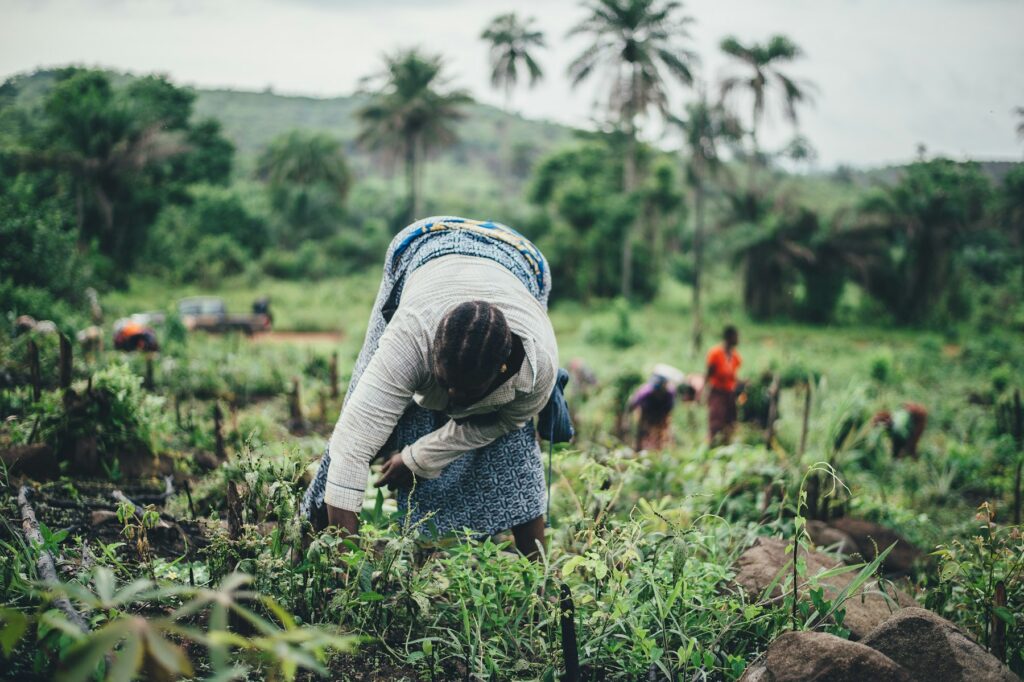
The Women 20 (W20) is asking G20 governments to mobilize at least $100 billion by 2030 for women in agrifood systems. The target leads “Women as Architects of Agrifood System Productivity, Sustainability and Resilience,” an advocacy brief issued under the 2026 W20 USA presidency. The brief says the money, about $20 billion a year, should come from public, concessional, climate and private finance.
For food and beverage companies, agribusinesses, lenders and commodity traders, the proposals touch supplier finance, sourcing programs and the data companies may be asked to report.
Where the money would go
The brief asks governments to shift agricultural support toward higher-impact public goods. It says about 60 percent of the more than $650 billion governments spend each year on agricultural support is price-distorting or harmful. It proposes gender-responsive budgeting, with sex-disaggregated tracking of who benefits, and the use of development and climate finance to reduce investment risk and draw in private capital.
The funds would target six structural barriers: leadership, land rights, finance, digital tools, infrastructure and market access. Several of the 2030 targets bear directly on companies:
- At least 20 percent of climate finance directly benefits women farmers, women-led agrifood enterprises and women’s producer organizations, with annual public reporting.
- At least 10 G20 governments adopt the WE Finance Code, a Women Entrepreneurs Finance Initiative (We-Fi) program to expand financing for women-led businesses.
- Women’s participation in public procurement and agrifood value chains rises by at least 10 percent.
- At least 50 million more women join formal producer organizations, cooperatives and enterprises.
- The rural digital gender gap in phone ownership and mobile internet use is halved.
The brief cites a financing gap of $1.7 trillion to $1.9 trillion for women-owned agrifood micro, small and medium enterprises. It says just 0.8 percent of climate finance reaches small-scale agrifood systems.
The data agenda
The third recommendation focuses on accountability. By 2030, all person-level indicators from publicly funded agrifood programs would be broken down by sex, and at least 10 G20 countries would report publicly on gender-responsive agricultural spending and outcomes. The brief also asks for wider national reporting to the gender statistics domain of FAOSTAT, the database of the Food and Agriculture Organization (FAO).
The published brief details three of the 17 recommendations in the W20’s full report on the topic.
The International Year of the Woman Farmer
The brief is timed to 2026, which the UN General Assembly designated the International Year of the Woman Farmer. FAO launched the year in December 2025. FAO says closing gender gaps in agriculture could raise global GDP by $1 trillion and reduce food insecurity for 45 million people, and that women in agrifood wage jobs earn 78 cents for each dollar men earn.
W20 delegates are independent of governments and advise the G20. G20 members decide whether to adopt the targets.







