


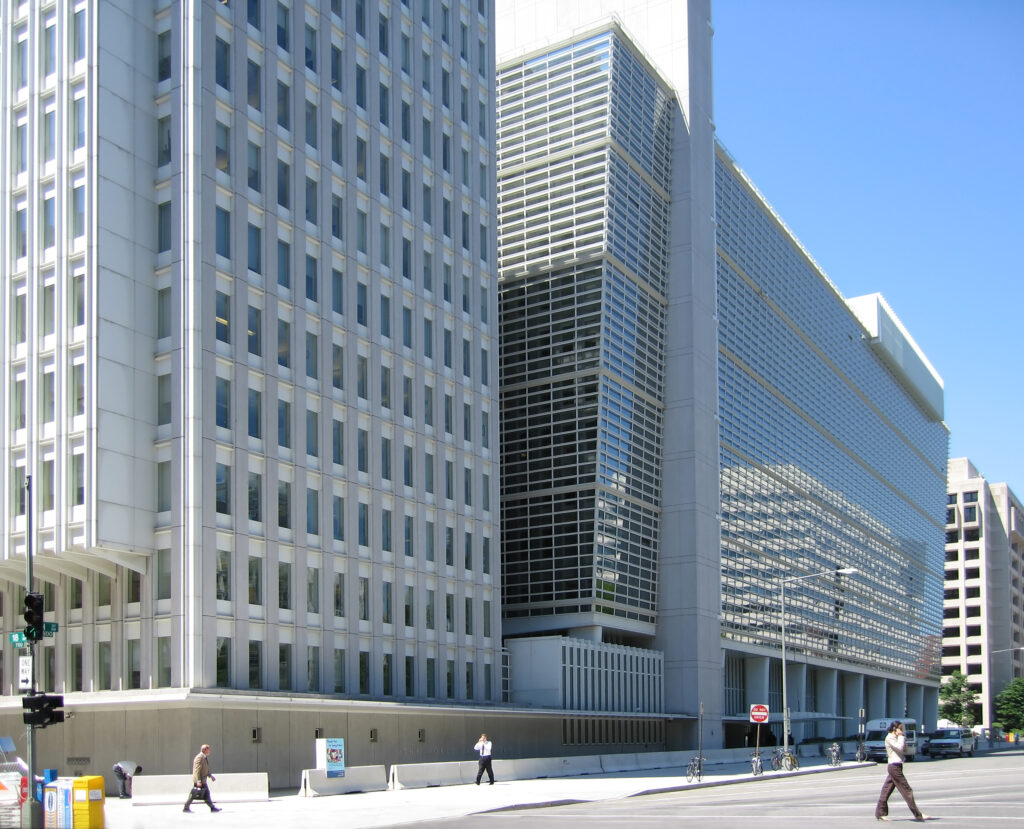
Financial education has become one of the more concrete outputs of the U.S. G20 finance track, and it touches an issue the Women 20 has raised for years: women’s access to, and use of, financial services. At their August 31 to September 1 meeting in Asheville, North Carolina, G20 finance ministers and central bank governors committed to expand national financial education and to promote evidence-based practices. This week the presidency’s Financial Literacy Solutions Sprint is due to be showcased at the IMF and World Bank Group Annual Meetings in Bangkok, held October 12 to 18.
For banks, payment firms and consumer businesses, the combination matters because women’s account ownership in developing economies is rising faster than their use of credit and savings products.
What the G20 has agreed
The Asheville chair’s statement notes the U.S. presidency’s financial literacy work, including a Financial Literacy Solutions Sprint with the World Bank Group, and cites financial education as a way for consumers to avoid fraud. The sprint, run by CGAP, which is hosted at the World Bank, sought technology-enabled tools that help individuals and small businesses make financial decisions. CGAP lists two winners: Vitto, an AI-based credit platform that helps small businesses prepare for formal credit, and Monny, an AI money coach that uses a person’s bank data. Winners receive up to three months of technical assistance and support for pilots through December 2026.
What the data show for women
World Bank figures from the Global Findex 2025 database, covering 2024, show 73% of women in low- and middle-income economies had a financial account, up 7 percentage points from 2021. About 700 million women worldwide still lack one, and in Sub-Saharan Africa women are 12 percentage points less likely than men to have an account. The share of women in these economies who saved formally rose to 36% from 22%, and 58% made or received a digital payment.
Use beyond the account is thinner. Only 9% of women borrowed to start or operate a business, and about half of those used formal credit. Around 60% of women with an account opened it to receive a digital payment from a government or employer, which points to the role of payroll and benefit payments in bringing women into the system.
Where the W20 fits
The W20 lists women’s entrepreneurship and access to finance among its core issue areas. The G20 commitment is gender-neutral and does not set targets for women. The open question for the W20 is whether financial education programs that come out of the G20 process will report results by sex, so that progress for women can be measured. Companies offering payroll, payments or small-business credit may find that the sprint pilots offer an early view of what governments consider effective.