








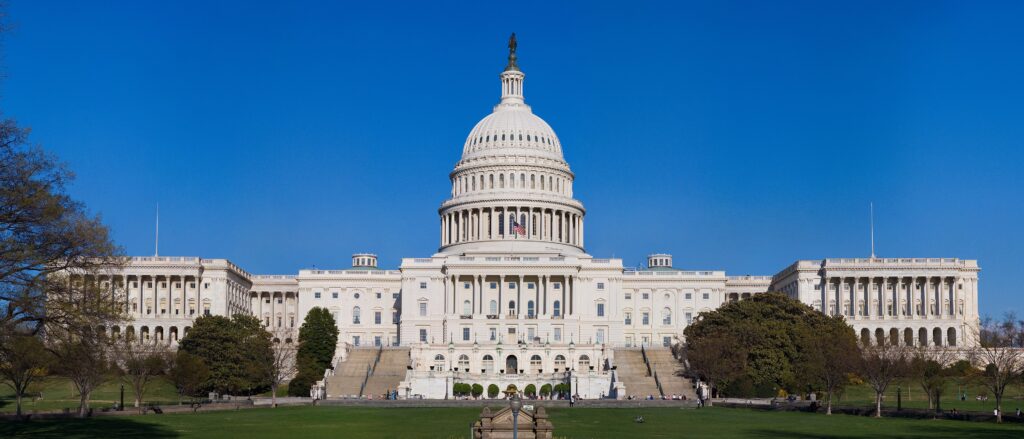
With the close of the Évian summit in June, the G7 presidency passes from France to the United States for 2027. The 53rd G7 summit will be hosted in the United States. As of mid-August, the venue and dates have not been announced.
Two presidencies in a row
The handover gives Washington an unusual run. It holds the G20 presidency through the Miami leaders’ summit in December 2026, then takes the G7 chair from January 2027. That sequence lets one government shape the agenda of both groups for close to two years. Topics the U.S. has prioritized in the G20, including energy supply, permitting, critical minerals and trade enforcement, are likely candidates for continuity into the G7.
What a presidency controls
The G7 has no charter or permanent secretariat, so the presidency effectively sets the year. The host chooses the themes, hosts the ministerial meetings, invites guest countries and international organizations, and chairs the leaders’ summit. Each presidency also decides how much to rely on joint communiqués versus shorter, topic-specific statements, as France did in Évian with nine separate declarations.
What to watch
- Venue and dates: the first formal signal of the presidency’s style and priorities.
- Ministerial tracks: which ministers meet during the year, and where.
- Guest list: which non-G7 countries and organizations are invited to the summit.
- Continuity from Évian: whether work begun under France, such as the critical minerals and AI declarations, carries forward.
For businesses and organizations planning engagement or sponsorship around the 2027 summit, the venue announcement is the moment the calendar becomes concrete. Group of Nations will report it when it is confirmed.







