







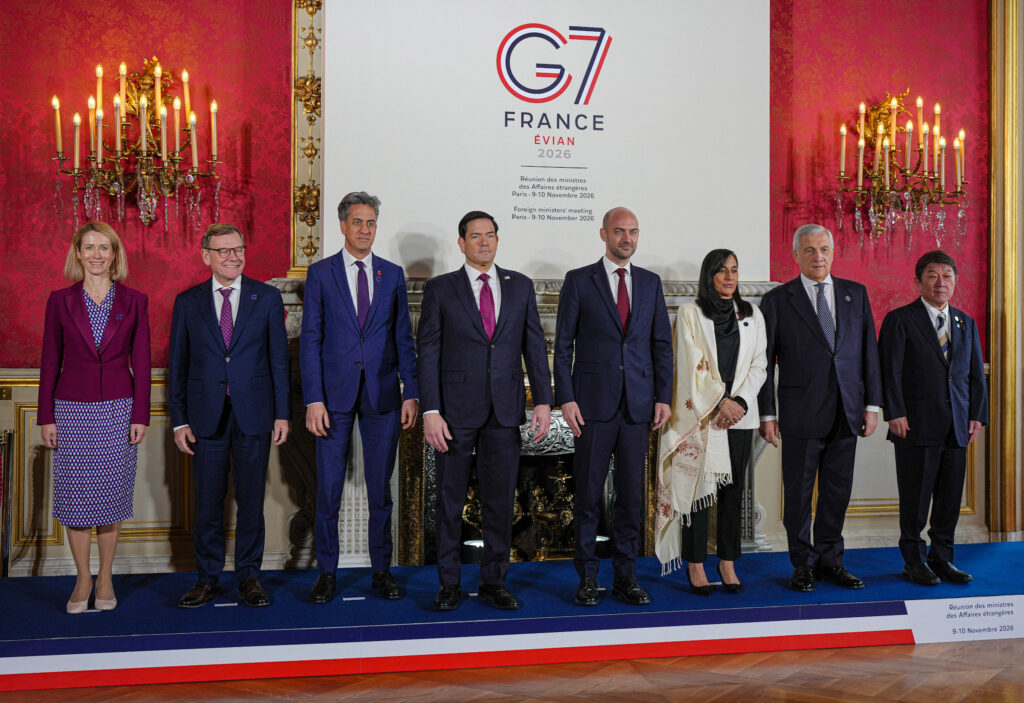
The joint declaration from the G7 foreign ministers’ meeting in Paris on November 9 and 10, 2026, devotes separate sections to Venezuela, Cuba and Haiti. The U.S. State Department released the full text on November 13. For companies weighing exposure in the Caribbean basin, the Venezuela section stands out: the ministers “encouraged investments and commercial deals” that support a more stable future for Venezuelans, and tied the country’s economic recovery to its political reconciliation process.
Venezuela: investment tied to reconciliation
The ministers acknowledged the will of Venezuelans to turn the page on a long political and economic crisis. They backed ongoing reconciliation talks between the interim government and the delegation representing the National Assembly elected in 2015, which they said have yielded measurable progress. They called for guarantees for all parties and civil society, the release of political prisoners, and a path to free and fair elections.
The text states that Venezuela’s economic recovery is “inextricably linked” to the reconciliation process. It does not change any member’s sanctions rules or licensing requirements. Companies should read it as a political signal and check national rules in each G7 jurisdiction before acting. The ministers also offered emergency and civil protection support after the twin earthquakes of June 24, 2026.
Cuba: a call for political and economic reform
The ministers expressed concern about Cuba’s economic crisis, including shortages of food, fuel and medicines, and stressed the need to improve how humanitarian aid reaches people across the island. They called on the Cuban authorities to pursue “significant and meaningful political and economic reforms,” to take steps toward multi-party democratic governance and press freedom, and to release people who have been arbitrarily detained. They encouraged an inclusive dialogue to find a way out of the crisis.
Haiti: security, elections and a World Bank compact
On Haiti, the ministers welcomed the renewal of the Gang Suppression Force mandate through March 2027 and the renewal of the UN sanctions regime. They noted that the first round of elections has been postponed to July 2027 and raised concern about sanctioned individuals taking part in the political process.
They urged more contributions to the UN Trust Fund that supports the mission, and more humanitarian funding. On the economy, they welcomed the World Bank’s Compact with the Haitian authorities as a common framework to assess Haitian-led reforms and strengthen accountability for results.







