







G7 foreign ministers used their Paris declaration to set out a common position on the Strait of Hormuz: no tolls, no fees and no discrimination against ships in transit. The U.S. State Department published the full text on November 13, 2026, after the ministers met in Paris on November 9 and 10 under France’s presidency.
For energy companies, shippers, charterers and marine insurers, the language matters because it frames how the G7 expects the strait to reopen. It also signals that the group would treat any charge on passage as unlawful, not as a cost of doing business.
What the declaration says
The ministers condemned Iran’s attacks on its neighbors and the disruption to trade, energy security and the global economy caused by the obstruction of transit passage through the strait. They called on Iran to stop attacks on civilian vessels.
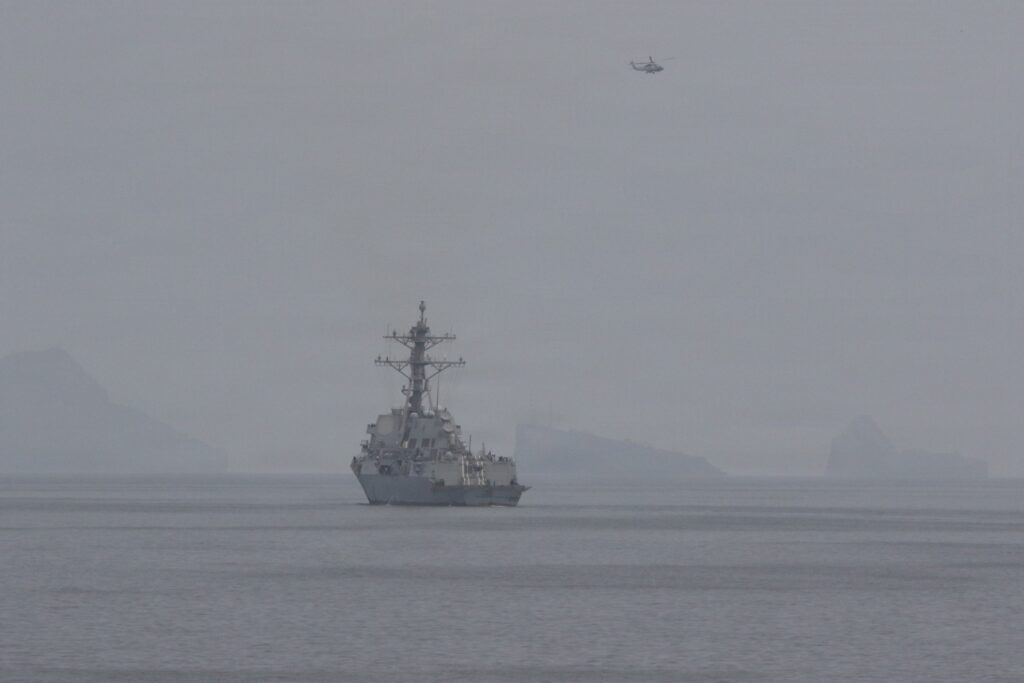
They reaffirmed the right of safe and free passage and stated their opposition to “any tolls, fees, illegal costs, discriminations or any limitation” on maritime transit through the strait. They also underscored the defensive work of U.S. Central Command to demine the waterway and escort civilian vessels.
The declaration adds that the multinational, independent and defensive initiative led by France and the United Kingdom can help traffic resume, including by supporting verification that all mines have been removed.
The France-UK mission and the EU pledge
France and the United Kingdom announced the mission after a Paris summit on April 17, 2026. Their joint statement described an independent and strictly defensive mission to protect merchant vessels, reassure shipping operators and clear mines “as soon as conditions permit following a sustainable ceasefire agreement.” It said the two governments would work with shipping operators, insurers and industry bodies. In July, the French foreign ministry said preparations were advancing with about 30 partner states.
The G7 text also recalls the EU-led “No Fees, No Tolls” pledge of October 12, 2026. The pledge, welcomed at that day’s EU Foreign Affairs Council, says no state should impose discriminatory limits on passage through international straits. The Council’s meeting summary named tensions in the Strait of Hormuz and the Bab al-Mandab Strait.
What it means for business
The declaration sets no date for reopening and creates no new financial mechanism. Its practical weight lies in three points. G7 members have committed to keep coordinating economic and political pressure on Iran if diplomacy fails. They have tied a credible reopening to independent mine verification. And they have put on record that any toll regime would face G7 opposition.
The ministers also linked the strait to food security. They said G7 members mobilized $2.5 billion in international funding in 2026 to address the crisis in the Middle East, and they called for action on food trade disruptions caused by the strait’s closure, the war in Ukraine and El Niño. Fertilizer and grain traders should read that section alongside the shipping language.
Sources
- U.S. Department of State: Joint Statement on the G7 Foreign Ministers Meeting in Paris (November 13, 2026)
- France in the United Kingdom: France-UK joint statement on the Strait of Hormuz (April 2026)
- France in the United Kingdom: Paris says progress is being made on preparations for multinational mine-clearance mission (July 3, 2026)
- Council of the EU: Foreign Affairs Council, October 12, 2026
- European External Action Service: Pledge on maintaining the integrity of the International Law of the Sea, No Fees/No Tolls







