








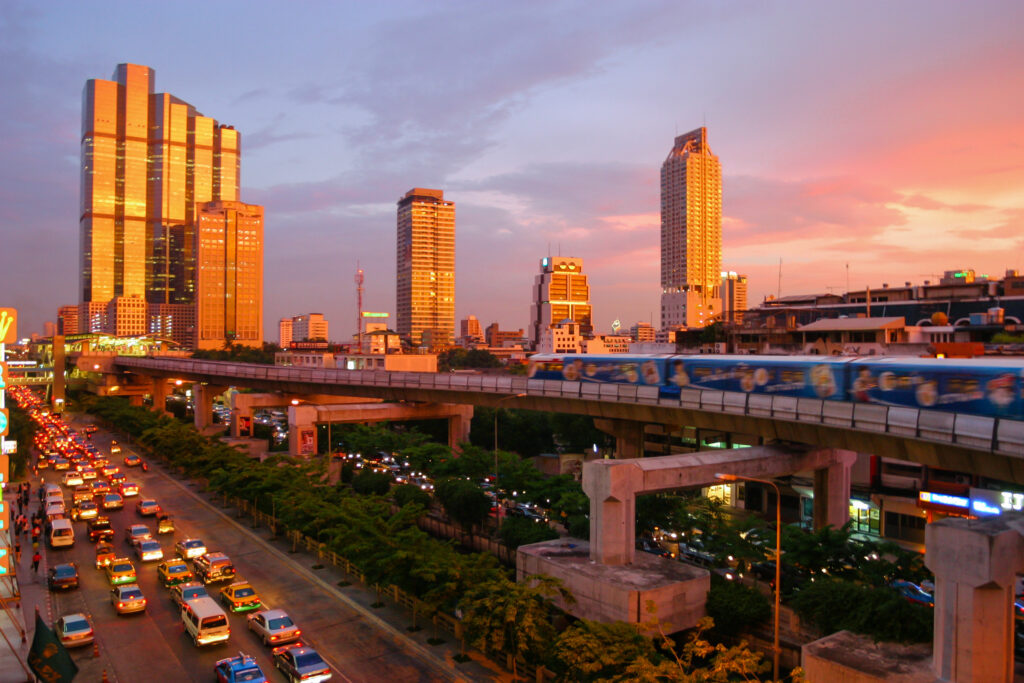
G7 finance ministers and central bank governors meet in Bangkok on October 12, 2026, according to the French presidency’s G7 calendar, which lists it as the “Fourth G7 Finances Ministers’ Meeting.” It falls on the opening day of the IMF and World Bank Annual Meetings, which run October 12–18 in Bangkok.
The meeting matters to business because several commitments from the May communiqué fall due before the end of 2026. They touch international tax, private credit, AI in finance and critical minerals.
The presidency’s finance agenda
The French Treasury sets three priorities for the finance track. The first is macroeconomic imbalances and economic security, including critical mineral supply chains. The second is a shift in relations with developing countries “from an assistance-based approach to an approach centred on mutually beneficial partnerships.” The third is balanced, sustainable growth, which covers international tax, AI competition issues, export support rules and financial stability, including risks from non-bank financial intermediation.
At their Paris meeting on May 18–19, ministers were joined for parts of the discussion by Brazil, India, Kenya and South Korea for the first time. In the communiqué, they welcomed the OECD/G20 Inclusive Framework’s Global Minimum Tax Side-by-Side Package, endorsed G7 principles for mutually beneficial partnerships and supported Financial Stability Board recommendations on non-bank financial intermediation. They also said Russia’s sovereign assets in G7 jurisdictions will remain immobilized until Russia ends its war and pays reparations.
Deliverables due before year-end
- Digital tax. Ministers expect an OECD progress report on the tax challenges of the digital economy by the end of 2026.
- Private credit. The communiqué schedules a dedicated workshop on private credit in the second half of 2026.
- AI in finance. An updated G7 AI dashboard, covering AI diffusion across firms and in the financial sector, is due to be published in November.
- Critical minerals. At Évian in June, leaders tasked the relevant ministers with setting dependency-reduction targets for critical minerals other than rare earths and permanent magnets before the end of the year.
The energy backdrop
Energy markets have been a standing item for G7 finance ministers this year. In a March 30 communiqué, G7 energy and finance ministers welcomed the coordinated oil stocks release authorized by IEA members on March 11 and called on countries to refrain from unjustified export restrictions on hydrocarbons. In May, finance ministers said spillovers from the Middle East called for heightened vigilance on financing conditions in emerging markets.
Bangkok is followed three days later by the G20 finance ministers’ meeting on October 15. Companies should watch for any G7 statement after the meeting and for progress on the year-end deliverables above.
Sources
- Élysée: G7 Évian 2026 agenda
- French Treasury: France’s G7 Presidency in 2026
- G7 Finance Ministers’ and Central Bank Governors’ communiqué, May 19, 2026 (PDF)
- French Ministry of the Economy: G7 Finance Ministers and Central Bank Governors’ Meeting, Paris, May 18 and 19, 2026
- French Ministry of the Economy: G7 Energy and Finance Ministers’ and Central Bank Governors’ communiqué, March 30, 2026
- Élysée: G7 Leaders’ Declaration on Securing Supply Chains for Critical Minerals (June 17, 2026)
- IMF: 2026 Annual Meetings of the IMF and the World Bank Group
- G20 USA 2026: Events calendar







