







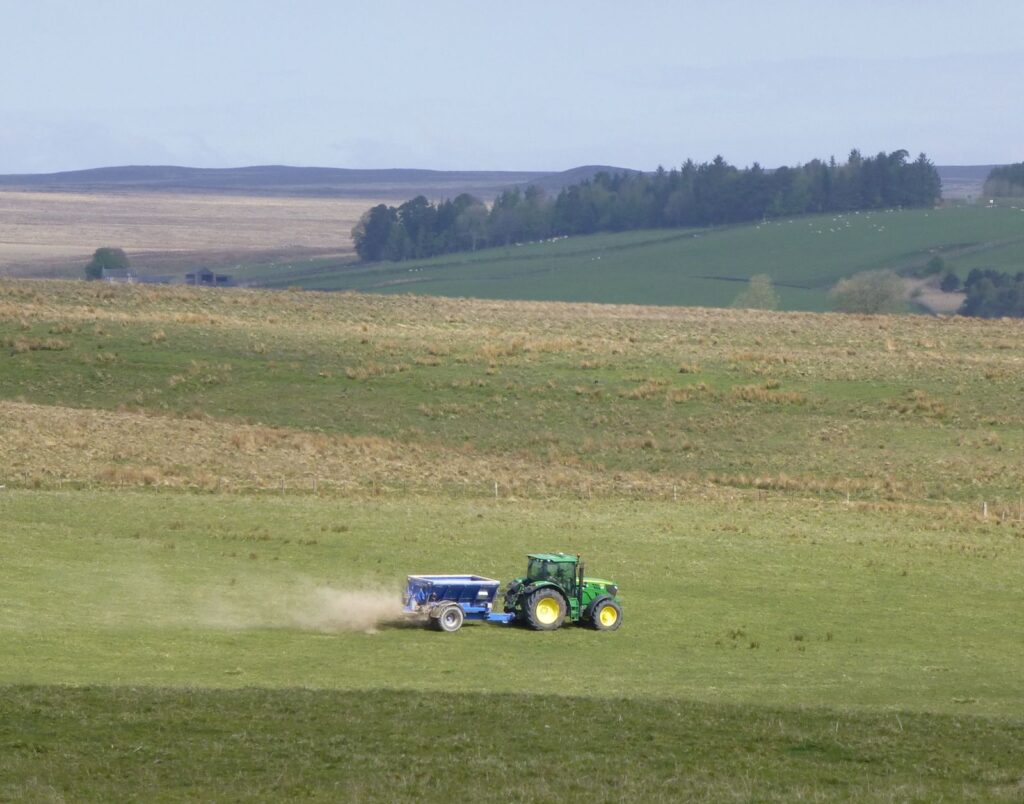
The G7’s plan for fertilizer shocks rested on a clear diagnosis: the problem is “primarily one of affordability, and liquidity, rather than physical shortage of supplies.” The action plan on fertilizer shocks and food systems resilience, published by the French presidency on June 7, 2026, was adopted by G7 finance and development ministers with Brazil, India, Kenya and the Republic of Korea. Four months later, the October issue of the AMIS Market Monitor shows that diagnosis still holds. For fertilizer producers, agribusiness, food companies and shippers, the plan sets the policy frame governments are using as Near East tensions keep input costs high.
What the plan commits to
All measures are voluntary and grouped in three areas. The first is immediate response: facilitating delivery of food aid and agricultural inputs, keeping logistics corridors and markets open, and supporting working capital for exposed farmers, especially smallholders. The second is financial stabilization, by coordinating international financial institutions’ instruments to help low-income countries respond to food-related shocks. The third is long-term resilience: strengthening market monitoring through the Agricultural Market Information System (AMIS), promoting integrated soil fertility management, and investing in local and regional fertilizer production capacity.
The text sets no deadlines, funding amounts or reporting mechanism. It says it builds on existing international coordination.
What the market data show
The AMIS Market Monitor No. 142, published October 2, 2026, reports that “fertilizer markets tightened in September. Nitrogen prices firmed after five months of decline, while affordability constraints continued to weigh on phosphate demand.” Its September averages show urea up 6.9 percent from August, ammonia down 7.8 percent, phosphate down 1.4 percent but 9.6 percent higher than a year earlier, and potash down 2.1 percent with ample inventories in major buying regions. India launched a tender at the end of September for 1.7 million tonnes of urea for delivery by early December.
Energy remains the main cost driver. AMIS reports European gas prices of EUR 75 per MWh, “their highest since 2023, amid slower inventory replenishment and uncertainty surrounding the reopening of the Strait of Hormuz.” It adds that high gas prices “continued to erode margins for nitrogen producers, prompting production curtailments” in the European Union. The same issue warns that a strengthening El Niño, expected to peak between October and December, puts pressure on rice output in South and Southeast Asia.
What to watch
Finance ministers and development lenders gather in Bangkok this month for the IMF and World Bank Group Annual Meetings, where the G20 finance meeting is scheduled for October 15. That is the most likely venue for any update on how lenders are using their instruments for food-related shocks, the plan’s second pillar. Food security is also on the G20 trade track: in Milwaukee, all G20 trade ministers reached consensus on a statement condemning the weaponization of food through coercive trade actions. Companies should watch whether either forum adds measurable follow-up to the G7 plan before France’s presidency ends in December.
Sources
- Élysée (G7 French presidency): G7 and partner countries action plan on fertilizer shocks and food systems resilience, June 7, 2026
- AMIS: Market Monitor No. 142, October 2026
- G20 (U.S. presidency): Events calendar
- Office of the U.S. Trade Representative: Statement on G20 trade ministers’ consensus on the weaponization of food, October 2, 2026