







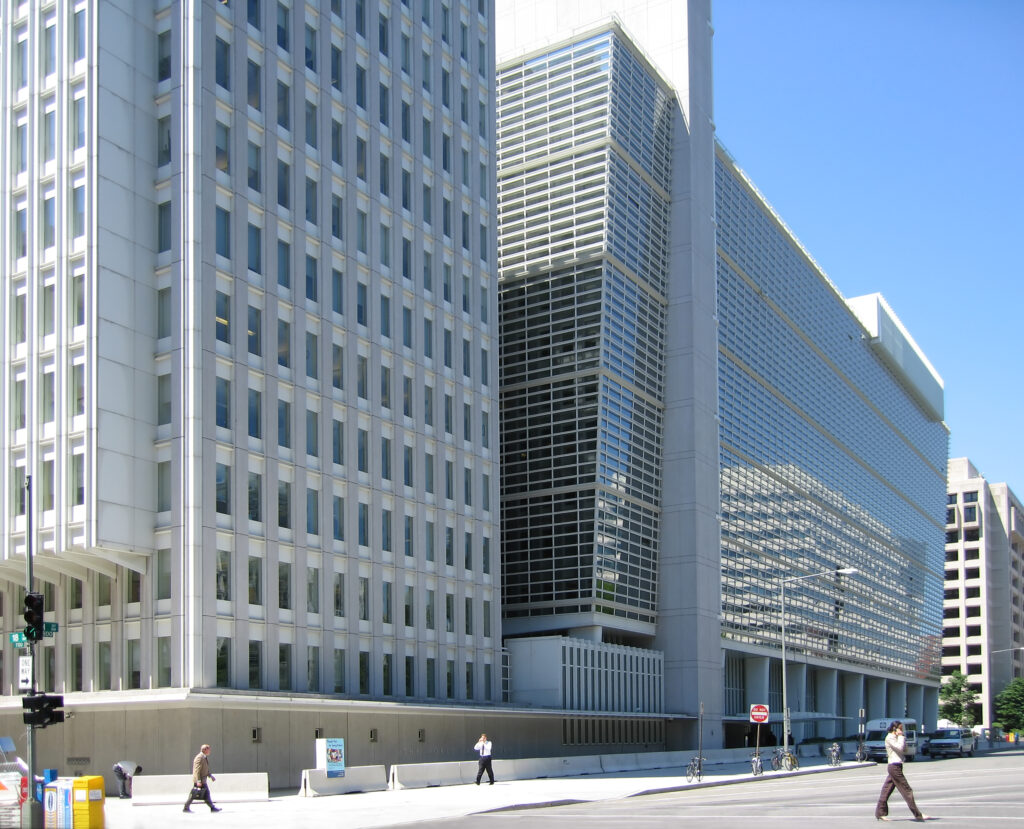
G7 finance ministers and central bank governors meet in Bangkok this month on the sidelines of the IMF and World Bank Group Annual Meetings, which run October 12–18. Partnerships with developing countries are one of the three priorities of France’s G7 finance track. The agenda for that work was set at Évian in June, where leaders adopted a declaration on “mutually beneficial international partnerships.” It says public aid alone cannot meet developing countries’ needs and calls for more private capital. For investors, insurers, infrastructure firms and exporters, it shows how G7 governments want development risk to be shared.
From aid to investment
In its presentation of the declaration, the Élysée notes that G7 countries provide 70% of official development assistance and says that aid is insufficient to meet developing countries’ growth and employment needs. The declaration itself says the development architecture “has also become overly complex, resulting in a suboptimal use of resources,” and calls for reforms to rationalize it.
Leaders committed to use their development finance institutions, and to call on multilateral development banks, to promote risk-sharing instruments, guarantees, blended finance, co-financing mechanisms and market instruments, and to address exchange rate risk. The text highlights the African Trade and Investment Development Insurance (ATIDI) and the World Bank Group’s Multilateral Investment Guarantee Agency (MIGA). It also commits the G7 to “prioritize building on successful financing vehicles and refrain from creating new ones.”
Infrastructure, minerals and debt
The declaration links development finance to supply chains. Leaders said they will promote “a new approach to economic and development corridors,” including through the G7 Partnership on Global Infrastructure and Investment and the G7 Infrastructure Investment Council. They also backed critical minerals partnerships based on high standards, transparency and local value creation, and pledged to promote “standardized and investable projects.”
On debt, leaders urged all G20 creditors to take part in the World Bank’s Data-Sharing Exercise and called for faster implementation of the IMF–World Bank 3-Pillar Approach. They backed further progress in the G20 toward a common approach to debt restructurings for vulnerable middle-income countries that are not eligible for the Common Framework.
Concessional money would be concentrated where private capital does not reach: least developed and most vulnerable countries, and sectors such as health, education, nutrition and food systems.
What to watch in Bangkok
The French Treasury lists the finance track’s goals in this area as moving from an assistance-based approach to partnerships, optimizing concessional resources and streamlining the development finance architecture. The Évian declaration contains no new funding figures and no deadlines. The test in Bangkok is whether G7 ministers or the development banks attach specific guarantee capacity, co-investment platforms or project pipelines to these commitments.







