









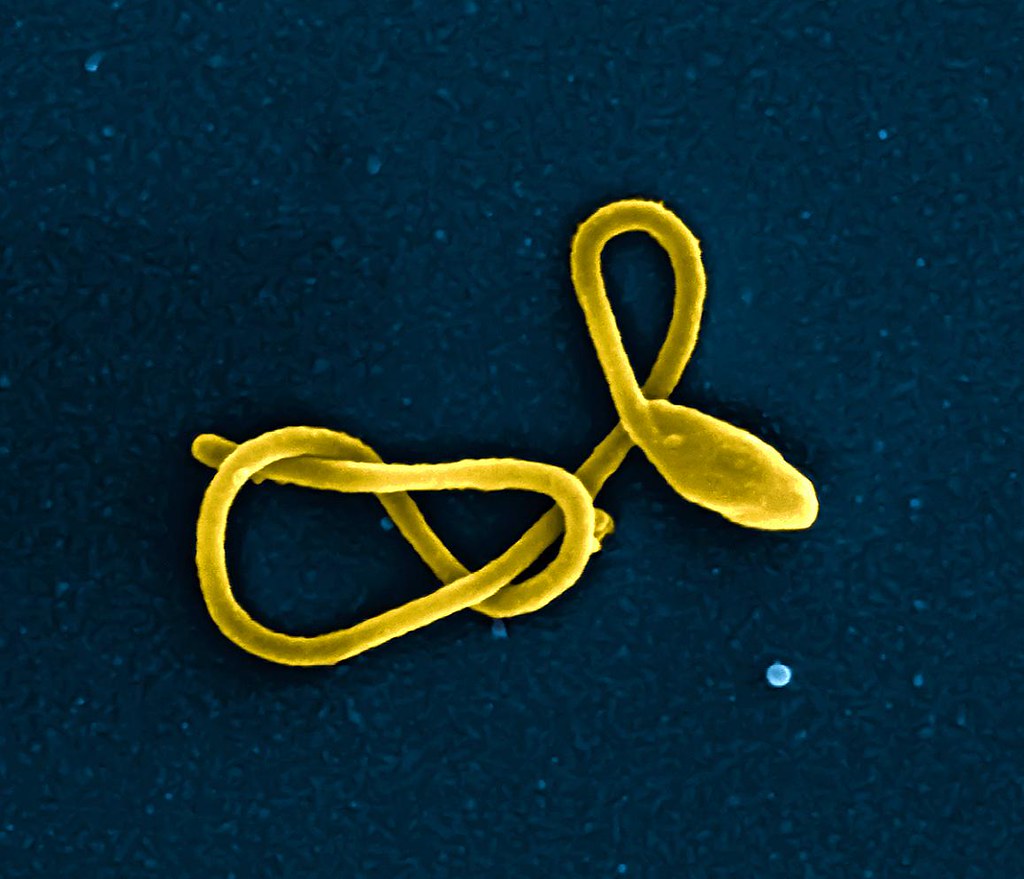
Five months after G7 leaders at Évian called for “a strong and coordinated response” to the Bundibugyo Ebola outbreak, the World Health Organization says the epidemic remains a public health emergency of international concern. For companies with staff, sites, logistics or suppliers in central and east Africa, the outbreak is still an operating risk, and it will carry over from France’s G7 presidency into the U.S. presidency in 2027.
Where the outbreak stands
WHO’s latest disease outbreak notice on the epidemic, published November 20, 2026, reports 11,613 confirmed cases in the Democratic Republic of the Congo as of November 17, including 5,678 deaths. That is a crude case fatality ratio of 48.9%. Cases have been confirmed in 68 health zones across eight provinces, with active transmission in 48.
Kenya has reported nine cases and two deaths, with no new cases since October 19. Nigeria reported one imported case. WHO says earlier cases in Uganda and France have been controlled since August.
On November 18, the WHO Director-General determined that the event continues to constitute a public health emergency of international concern. WHO’s fifth rapid risk assessment, dated November 25, rates the risk as very high in the DRC and high in Kenya and Nigeria. It also says more than 80% of newly reported infections continue to be detected outside known contact lists. The risk for most other countries is rated low.
There are still no approved vaccines or specific treatments for Bundibugyo virus disease. A Phase 2/3 vaccine trial, TUMAINI, launched in Bunia on October 23, and WHO says two further candidate vaccines are to join it following national approvals.
What the G7 committed to
The June 16 leaders’ call, also supported by Egypt, India, Kenya and South Korea, said the first goal “must be to prevent further spread.” G7 members committed to strengthen coordination between national authorities and to work “towards coherence on appropriate and effective travel, quarantine, and isolation procedures.” The call recorded more than $370 million in U.S. funding, with up to $500 million more committed, and €493 million from the European Union. It also cited a $518 million continental preparedness and response plan.
On November 24, WHO published a new continental preparedness and response plan running from November 2026 to May 2027. It is organized around 15 technical pillars and guides work by WHO, Africa CDC, governments and partners.
What it means for business
WHO continues to advise against any restriction of travel to, or trade with, countries experiencing or responding to the outbreak. That advice, together with the G7 commitment to coherent travel and quarantine procedures, is the reference point for corporate travel, duty-of-care and supplier policies in the region.
France’s presidency ends on December 31. How the outbreak features in the 2027 G7 agenda will be for the incoming U.S. presidency to set.
Sources
- WHO: Disease Outbreak News, Ebola disease caused by Bundibugyo virus (November 20, 2026)
- WHO: Rapid Risk Assessment v5 (November 25, 2026)
- WHO: Bundibugyo virus continental preparedness and response plan, November 2026–May 2027
- WHO: Disease Outbreak News (November 6, 2026)
- G7 Évian 2026: Leaders’ call for a coordinated response to the Bundibugyo Ebola outbreak (June 16, 2026)
- WHO: Emergency determination statement (May 17, 2026)







