








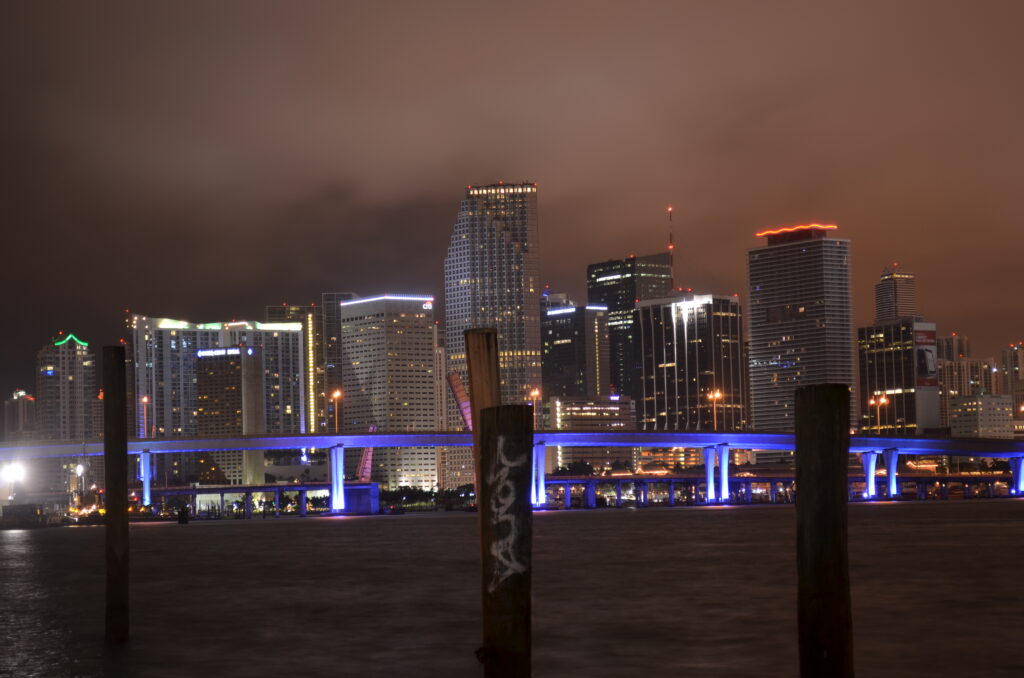
The United States hosts the G20 Leaders’ Summit in Miami on December 14–15, the first G20 leaders’ summit held in the United States since Pittsburgh in 2009. The presidency has said it is returning the G20 to its “core mission” of economic growth, innovation and partnerships. What leaders actually sign in December will be shaped by a run of ministerial meetings this fall.
A narrower agenda
The presidency’s official site describes a focus on “practical solutions, real outcomes.” In practice that means fewer tracks and a heavier emphasis on growth, energy, trade and technology than recent presidencies, which ran large working-group programs on climate, development and social policy. For companies used to engaging dozens of G20 workstreams, the practical change is concentration: fewer, larger meetings where outcomes are decided.
The road to Miami
The official calendar sets out the remaining milestones:
- August 29–September 1: finance deputies and finance ministers and central bank governors in Asheville, North Carolina
- September 1–2: Innovation Ministerial, Raleigh-Durham
- September 14–16: Energy Abundance Ministerial, Houston
- September 30–October 1: Trade Ministerial, Milwaukee
- October 1–2: third sherpa meeting, Washington
- October 15: finance ministers in Bangkok, alongside the IMF and World Bank Annual Meetings
- October 30–31: foreign ministers, Atlanta
- December 10–12: final sherpa meeting, Miami
What to watch
Three questions will decide how much substance reaches the leaders’ declaration. First, whether the trade ministerial can agree language on supply chains and industrial overcapacity, where members have long been divided. Second, how far the energy track’s emphasis on supply, permitting and critical minerals is accepted by members with different climate positions. Third, whether finance ministers can agree on debt and macroeconomic coordination at a time of trade tension.
The business track, B20 USA, meets in Washington on November 9–11 and will hand its recommendations to the presidency ahead of the summit. Companies that want their priorities reflected in Miami have until then to engage.







