







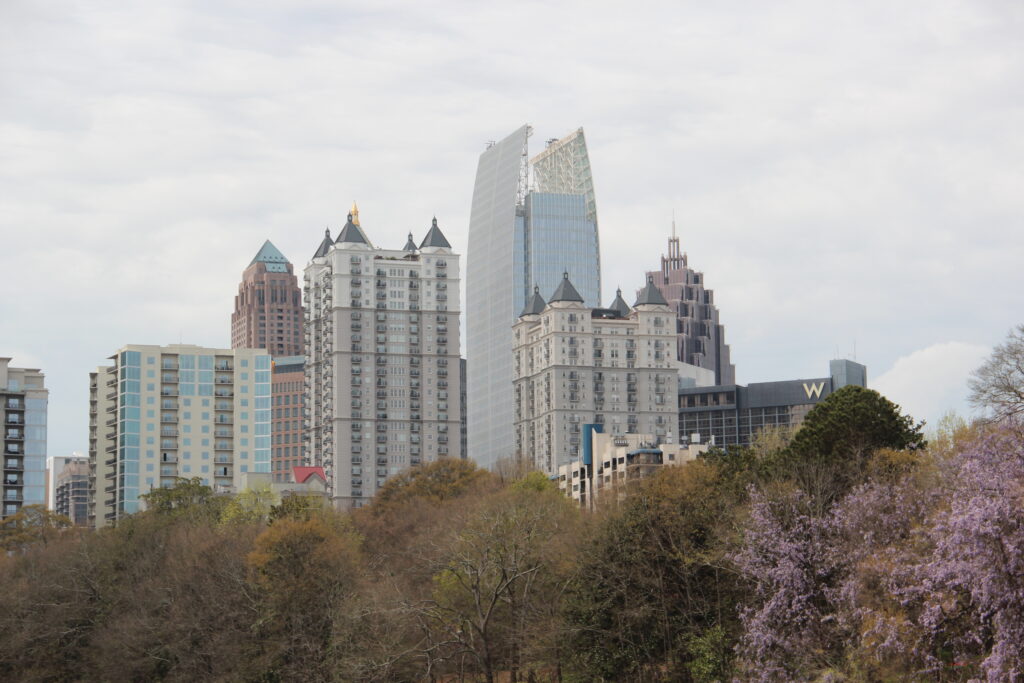
G20 foreign ministers meet in Atlanta on October 30–31, with Secretary of State Marco Rubio as host. In a media note issued on October 26, the State Department set out a more specific agenda: the United States will work with G20 partners “to address geopolitical crises contributing to global economic shocks, including threats to freedom of navigation, energy and food security, and supply chains.”
Each of those items maps onto costs that companies already carry: shipping routes and insurance, fuel prices, food and input prices, and supplier risk. Atlanta is the last ministerial meeting on the presidency’s events calendar before Sherpa Meeting IV on December 10–12 and the Leaders’ Summit in Miami on December 14–15.
What the agenda now covers
The October 26 note frames the meeting around security as well as economics. It says “global security and economic prosperity are inextricably linked” and that the Atlanta discussions “will set the stage” for the Leaders’ Summit and the economic agenda leaders will take up there.
The context is a tight energy market. In an October 2 statement, G7 leaders called for restoring navigation rights in the Strait of Hormuz and agreed a coordinated release of 100 million barrels of oil stocks through the International Energy Agency. On October 15, the IEA Governing Board said oil markets remained tight, notably for diesel. Atlanta brings the same issues to a wider group that includes major energy producers and importers outside the G7.
Food security also has a recent G20 reference point. On October 2, the U.S. Trade Representative said G20 trade ministers had reached consensus condemning the weaponization of food through coercive trade actions.
Who is expected
Asked in Mumbai on October 21 whether Russian Foreign Minister Sergey Lavrov would attend, Secretary Rubio said that “the Russians are invited to be a part of the G20” and “they’ll be at that meeting.” He said he did not know whether Lavrov himself would come. He added that there was “the potential that Putin might come to the one in Miami as well, although we don’t have confirmation on that.”
Attendance will shape what Atlanta can produce. Ministerial meetings under the U.S. presidency this year have ended with a mix of chair’s statements, consensus texts and statements signed by groups of members.
What to watch
- Whether Atlanta ends with a consensus outcome or a chair’s statement.
- Any language on freedom of navigation and energy flows that could carry into the leaders’ text in Miami.
- Whether food security language builds on the trade ministers’ October 2 consensus.
- Signals on attendance at the Leaders’ Summit.
Sources
- U.S. Department of State: Secretary Rubio’s Travel to Atlanta to Host the G20 Foreign Ministers’ Meeting (October 26, 2026)
- U.S. Department of State: Secretary of State Marco Rubio Remarks to the Press, Mumbai (October 21, 2026)
- G20 USA 2026: Events calendar
- Office of the U.S. Trade Representative: Statement on G20 trade ministers reaching consensus condemning the weaponization of food (October 2, 2026)
- G7 Leaders’ Statement on global energy security and market stability (October 2, 2026), via the Council of the EU
- IEA: Governing Board statement on energy markets and security (October 15, 2026)







