







Four years after the European Union launched its REPowerEU plan to end dependence on Russian energy, the change in gas supply is large and measurable. According to the European Commission, Russian gas fell from 45% of EU gas imports in 2021, about 152 billion cubic meters, to 12% in 2025, about 36 billion cubic meters.
What replaced it
- Norway is now the largest supplier, at 31% of EU imports in 2025, about 89 bcm.
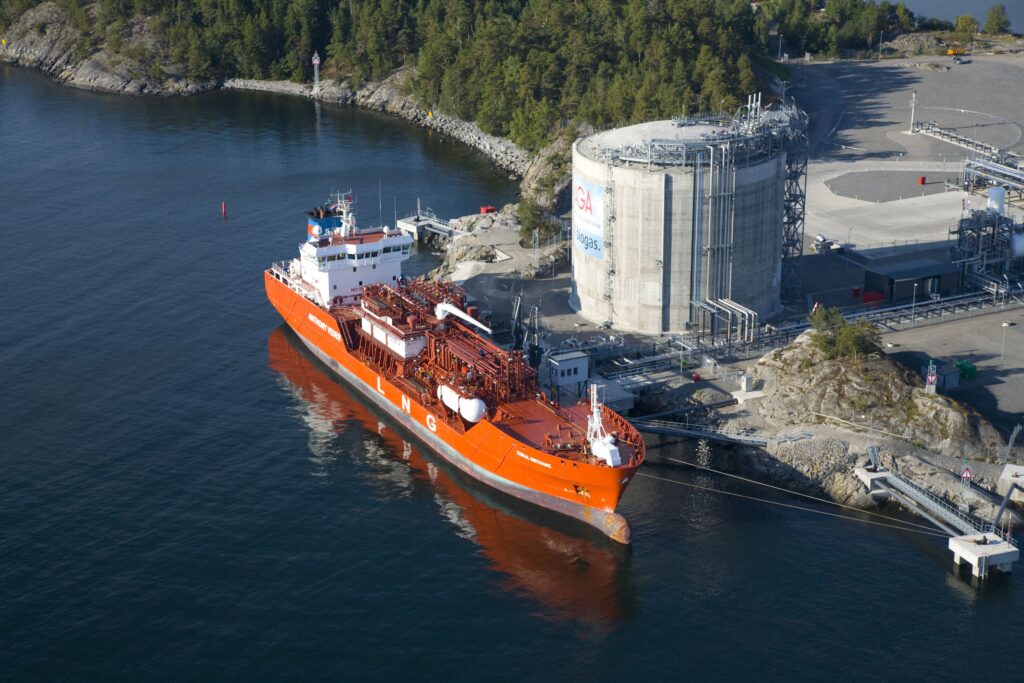
- U.S. LNG reached a record 76 bcm in 2025.
- Algeria supplied about 35 bcm by pipeline and LNG, Qatar about 11 bcm, and Azerbaijan increased deliveries by more than 40% between 2021 and 2024.
- Import capacity: EU LNG import capacity grew by 76 bcm between 2021 and 2025, to 242 bcm a year.
Rebuilt, or rerouted?
Not all of the change came from new supply. The Commission reports that EU gas demand fell by about 19% between August 2022 and January 2026 against the pre-crisis average, saving the equivalent of about 80 bcm a year. Wind and solar now provide about 31% of EU electricity, after 260 gigawatts of new capacity since 2021. The remaining exposure is concentration risk of a different kind: heavier reliance on LNG markets and on a smaller number of large suppliers.
The legal end date
In December 2025, the Council and the European Parliament agreed rules to phase out Russian gas imports entirely. Short-term LNG contracts were to end by April 25, 2026, and long-term LNG contracts by January 1, 2027. Pipeline gas under short-term contracts was to end by June 17, 2026, with long-term pipeline contracts ending by September 30, 2027, or November 1, 2027, at the latest. A suspension clause allows temporary relief in an energy security emergency.
For energy buyers, traders and infrastructure investors, the deadlines turn a policy goal into contract law. The open questions are price, as LNG competes with Asian demand, and whether the remaining Russian volumes can be replaced on schedule.