








The body that runs the Paris Agreement Crediting Mechanism has adopted two methodologies that let household cooking projects earn UN-issued carbon credits. The Article 6.4 Supervisory Body took the decisions at its 23rd meeting in Bonn on October 5–9, 2026, and UN Climate Change announced them on October 9. Our October 8 preview covered the meeting agenda; this is the outcome.
Clean cooking has been one of the largest project categories in carbon markets, and it has drawn scrutiny over how emission reductions are estimated. The new rules set the terms on which such projects can enter the UN-supervised system. For companies that buy credits, develop projects or finance programs in host countries, they define what a cookstove credit under the mechanism will look like.
What was adopted
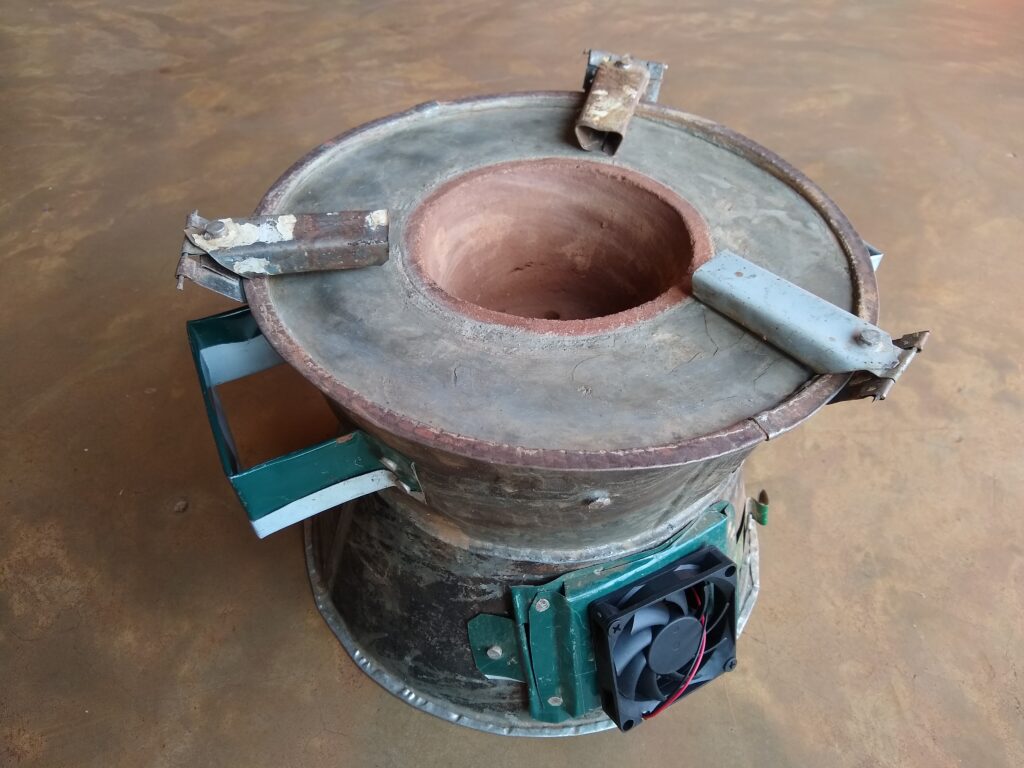
The meeting report lists two methodologies. A6.4-AMM-004, “Cooking energy transitions,” covers a broader shift to cleaner, lower-emission household cooking. A6.4-AMM-005, “Energy efficiency measures in household cooking,” covers more efficient wood- and charcoal-burning stoves.
The body also adopted a reversal risk assessment tool (A6.4-AMT-011) for activities that reduce the use of non-renewable biomass, and a methodological tool on sampling and surveys (A6.4-AMT-010). According to UN Climate Change, the reversal tool requires reversals of emission reductions to be addressed, so that credits are not counted after the underlying reductions have been undone. Countries may use country-specific values for natural risks where suitable data exist, and the tool will be updated as evidence improves.
Several details bear on project economics. The body asked its methodology expert panel to expand the scope of AMM-004 to institutional users. It exempted AMM-005 from a downward adjustment in the second and later calendar years. It also asked the panel to explore when lower uncertainty ranges can apply if project participants use measured values instead of default values.
Why it matters
UN Climate Change says around 2.1 billion people still cook over open fires or inefficient stoves using polluting fuels. The mechanism’s earlier methodologies covered landfill gas, nitrous oxide from nitric acid production and grid-connected renewable electricity. With cooking added, its methodologies now address carbon dioxide, methane and nitrous oxide.
“This decision gives cleaner cooking projects a new pathway under the UN carbon market,” said Mkhuthazi Steleki, chair of the Supervisory Body, adding that it comes “with clear rules to ensure that each credit represents a real and credible emission reduction.”
The same meeting revised the mechanism’s core standards on additionality, baselines, leakage, suppressed demand, and non-permanence and reversals. It adjusted procedures for Clean Development Mechanism activities moving into the new system, asked for common calculation tools for hydrogen production, and deferred a decision on post-issuance time limits for credits.
What comes next
The Supervisory Body will present its annual report to the Paris Agreement parties at COP31 in Antalya, Türkiye, which runs November 9–20, 2026. Parties there may clarify or expand the body’s mandate. For buyers and developers, the next practical markers are the first project registrations under the cooking methodologies and the panel’s follow-up work on institutional users and measured values.







