








The body that supervises the Paris Agreement’s UN-run carbon crediting mechanism has told governments at COP31 in Antalya that, on current projections, it will have no money to carry into 2028. The warning appears in the Supervisory Body’s annual report to the CMA (FCCC/PA/CMA/2026/8) and was repeated in informal consultations on November 13. For companies that buy, develop or plan to use Article 6.4 credits, the funding question bears directly on whether the mechanism can keep operating at full pace after 2027.
From design to delivery
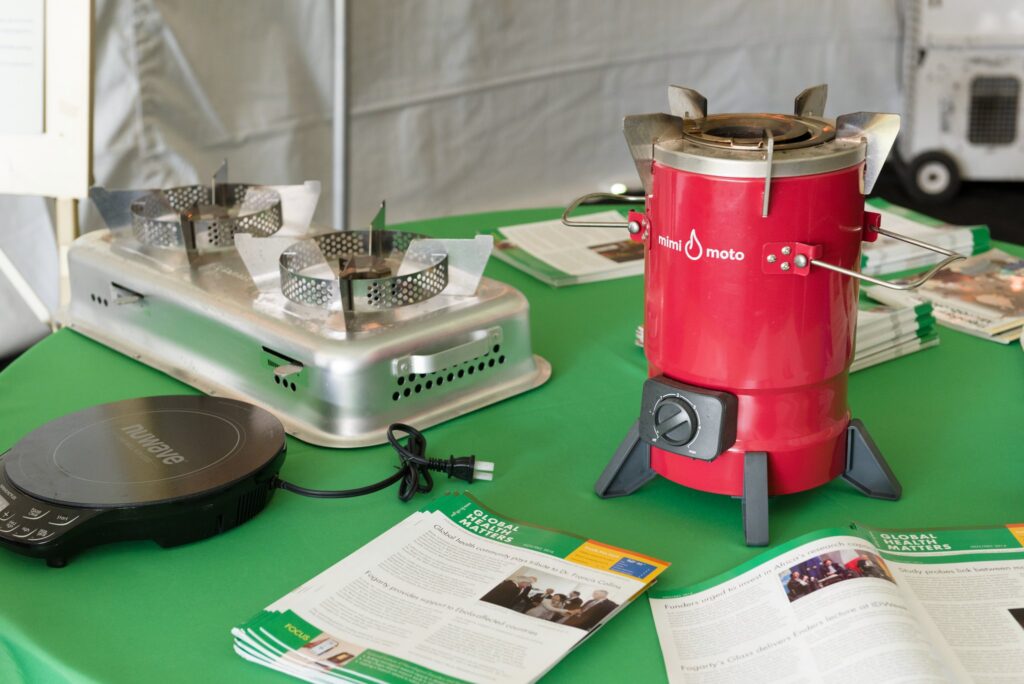
The mechanism, known as the Paris Agreement Crediting Mechanism, issued its first credits this year. The Supervisory Body approved the first issuance on February 26, 2026, for a clean cooking project in Myanmar that distributes efficient cookstoves. UN Climate Change said the project is coordinated with authorized participants from the Republic of Korea, and that the credited reductions were roughly 40 percent lower than they would have been under the Clean Development Mechanism (CDM), the Kyoto Protocol system that preceded it.
According to the report, the Body adopted four methodologies during the reporting period, bringing the total to five. Together they cover 77 percent of activities transitioning from the CDM, in areas including clean cooking, nitrous oxide abatement, landfill gas and grid-connected renewable power. As of June 30, 2026, host-country approval had been obtained for 418 CDM projects and programs of activities seeking to transition. The mechanism registry is expected to be completed by the end of the first quarter of 2027.
The funding gap
The report states that the mechanism is not yet self-financing. Underspending in 2025, together with a $26.8 million transfer from the CDM trust fund, left about $28 million at the beginning of 2026. The approved 2026 budget is $20.8 million, with spending projected at $15.6 million and $14.5 million expected to carry over into 2027. The approved 2027 budget of $17.3 million leaves an initial gap of $2.8 million, and the Body plans to hold 2027 spending to $15.7 million.
After that, the report says, no financial resources will be available to carry over to 2028. Without additional funding, there will be no resources for the mechanism’s continued operation from 2028 onward. Revenue from the mechanism’s share of proceeds has not yet started: the report notes that no such transactions have been made to date, although they could occur in 2027.
What Parties are being asked to do
The Body recommends that the CMA note the shortfall with concern, make efforts to secure additional resources and ask the secretariat to explore funding sources. It also suggests the CMA could review the exemption of least developed countries and small island developing states from fees linked to the administrative share of proceeds. Evaluations of the share of proceeds for adaptation and for administrative expenses have been postponed to 2027, with recommendations due at CMA 9.
Supervisory Body Chair Mkhuthazi Steleki told Parties on November 13 that the mechanism had moved from design to delivery over the past year but that financing remains a challenge, according to the Earth Negotiations Bulletin. Guidance to the mechanism is being negotiated in CMA informal consultations. COP31 is scheduled to close on November 20.
For buyers and project developers, three points are worth tracking: the registry timeline, the pace of new methodologies, which the Body says will remain a priority in 2027, and whether Parties close the funding gap before 2028.
Sources
- UNFCCC: Annual report of the Supervisory Body for the mechanism established by Article 6, paragraph 4, of the Paris Agreement (FCCC/PA/CMA/2026/8)
- UN Climate Change: UN carbon market approves first-ever issuance of credits under the Paris Agreement (February 26, 2026)
- UNFCCC: The Road to Antalya
- Earth Negotiations Bulletin: Daily report for November 13, 2026







