









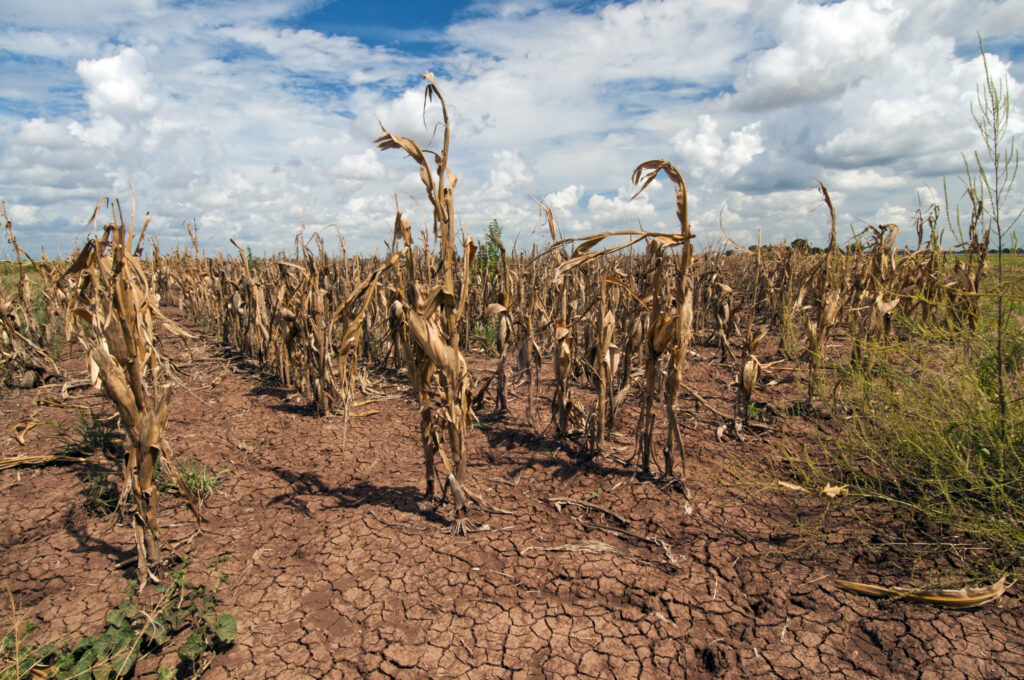
Six UN agencies used COP31 in Antalya, Türkiye, to launch the UN Disaster Risk Financing Platform on November 12, 2026. The platform aims to secure access to more than US$3 billion in risk financing to protect 75 million people and their livelihoods from climate shocks and natural hazards by 2030. For insurers, reinsurers and companies with operations in hazard-exposed markets, it points to growing demand for pre-arranged finance, insurance and risk pooling linked to humanitarian programs.
How the platform works
The platform brings together the Food and Agriculture Organization (FAO), the International Organization for Migration (IOM), the UN Office for the Coordination of Humanitarian Affairs (OCHA), UNICEF, the UN Refugee Agency (UNHCR) and the World Food Programme (WFP). Its focus is money arranged before a disaster and released when forecasts or agreed triggers are met, rather than appeals launched after the damage is done. The agencies say they will work with the insurance industry and the private sector to bring costs down.
UN News reported that pre-arranged financing currently makes up less than two percent of global humanitarian financing. WFP says it has helped secure nearly US$211 million in pre-arranged finance this year to protect up to 9.6 million people in more than 50 countries. With support from WFP’s insurance teams, OCHA and UNICEF have taken out insurance policies for their anticipatory action programs.
“Disasters are increasingly predictable, yet the financing needed to act ahead of them remains slow and fragmented,” said Lisa Doughten, Director of Financing and Outreach at OCHA, in the launch release.
Links to the negotiations
The theme also appears in the negotiating texts. The draft cover decision released by the presidencies on November 16 encourages anticipatory financing, multilayered disaster risk financing instruments, regional risk pooling, and pre-arranged finance and insurance. It also asks the Chair of the Subsidiary Body for Implementation to develop options to “operationalize the risk mitigation mechanism and global insurance mechanism,” for consideration at the SB 66 session with a view to a decision at COP32. The text is a draft and may change before the conference ends on November 20.
Why the timing matters
In a November 9 release, WFP warned that El Niño could push at least 49 million more people into acute food insecurity by the end of 2027, and said it expects the event to peak between October and December 2026. WFP said that from January to September it reached 4.9 million people with early warnings and helped more than 1.5 million people ahead of forecast hazards, backed by US$46.2 million in pre-arranged funds.
“A robust forecast can give us days, sometimes even weeks, to act before a flood, storm or heatwave puts children at risk,” said Gernot Laganda, UNICEF Global Practice Director for Climate and Environment. For business, the next signals will be whether donors and insurers commit capital to the platform and whether the COP31 decision text keeps its language on insurance mechanisms.
Sources
- WFP: UN launches Disaster Risk Financing Platform at COP31 (November 12, 2026)
- UNICEF: UN launches Disaster Risk Financing Platform at COP31 (November 12, 2026)
- UN News: report on the Disaster Risk Financing Platform launch (November 2026)
- UNFCCC: Draft presidency-led cover decision, unedited (November 16, 2026)
- WFP: At COP31, WFP urges use of innovative finance to prevent climate shocks becoming hunger (November 9, 2026)
- UNFCCC: About COP31







