








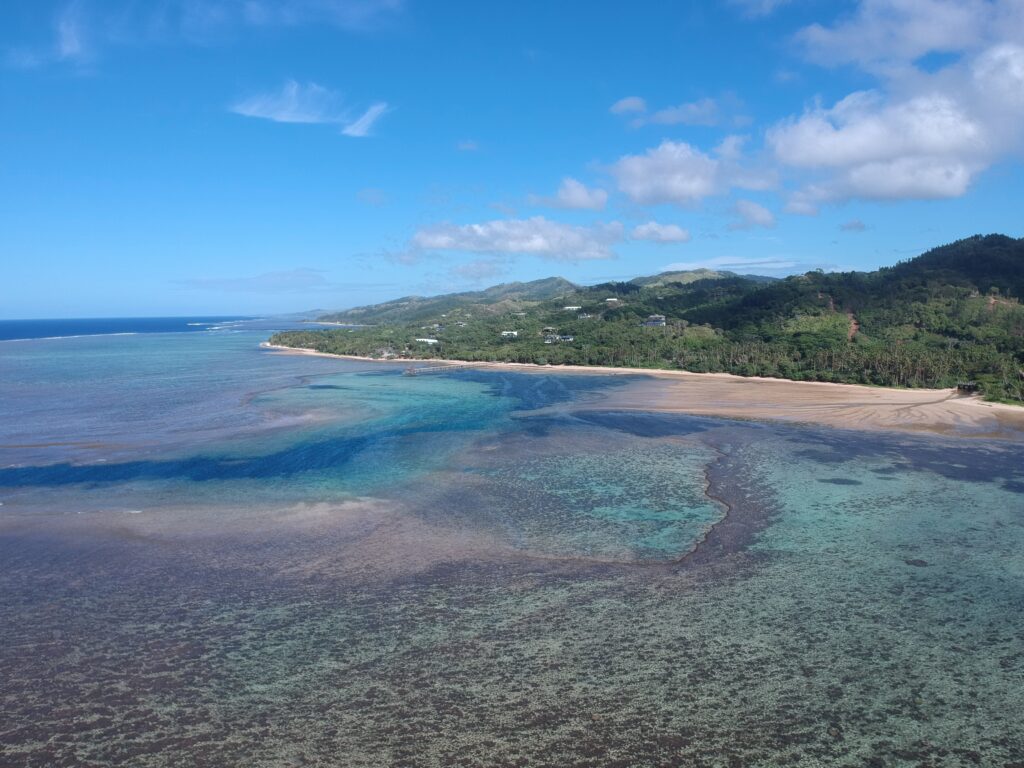
Climate ministers meet in Fiji on October 7–8, 2026, for the Pacific pre-COP, the last major ministerial session before COP31 opens in Antalya, Türkiye, on November 9. Pre-COP meetings are where ministers test possible landing zones for negotiated decisions. For business, the outcomes shape the national plans, finance channels and reporting rules that companies will work under after 2030.
Who is hosting and why the setup is unusual
The pre-COP began with leaders’ events in Tuvalu and Fiji on October 5–6, followed by the ministerial meeting in Fiji, according to Fiji’s Ministry of Foreign Affairs. Fiji, Tuvalu and Australia are delivering the event, and organizers expect ministers and delegates from more than 50 countries.
COP31 has a split arrangement. Türkiye holds the COP31 presidency and hosts the conference and the World Leaders Summit in Antalya. Australia serves as President of Negotiations, a role the Australian government confirmed when it announced the Pacific pre-COP in February.
Fiji’s Prime Minister Sitiveni Rabuka set out the hosts’ expectations of visiting ministers. “We ask them to come ready to accelerate and deliver the effort needed to keep our promise – to honour our shared moral and legal obligation, to limit global average temperature rise to 1.5 degrees,” he said.
What sits on the negotiating table
In its third letter to parties, the COP31 presidency urges governments to submit their post-2030 nationally determined contributions “as soon as possible.” It also notes that Biennial Transparency Reports are due by December 31, 2026, and describes National Adaptation Plans as “central for countries to build resilience.” These national documents set the direction of sector regulation, from power and transport to buildings and agriculture.
The finance push
The presidency has made implementation finance a central theme. At Climate Week NYC on September 24, it announced five pilot countries for its Climate Implementation Bridge, known as BRIDGE: Ethiopia, Fiji, Indonesia, Pakistan and Uzbekistan. Delivered with the UN Development Programme, BRIDGE aims to help countries turn climate priorities into finance-ready project portfolios and identify barriers to implementation.
The presidency also launched the Sustainable Urban Resilience Financing Facility, or SURFF, with Türkiye’s ILBANK, UN-Habitat and the World Bank. It aims to speed urban resilience investment in low- and middle-income countries by linking national climate policy with city-level delivery. No finance figures were attached to either announcement.
“Climate ambition without finance is like an EV without a battery – it won’t go anywhere,” said Murat Kurum, Türkiye’s minister for environment and COP31 President-designate. For infrastructure investors, insurers and engineering firms, structured national project pipelines are the part of this agenda to follow most closely.
What to watch
Watch for any chair’s summary from Fiji, signals on which issues ministers want settled in Antalya, and new NDC submissions before November 9. The COP31 Leaders’ Summit is scheduled for November 11–12.
Sources
- Fiji Ministry of Foreign Affairs: PRE-COP31: Fiji takes centre stage as Pacific unites for climate action
- Pre-COP31 Pacific: official event website
- Australian Government: Australia welcomes decision to host pre-COP in Fiji and Tuvalu
- UNFCCC: Third letter of the COP31 President-designate (PDF)
- COP31 Presidency: COP31 Presidency elevates finance and city action in implementation-focused agenda







