








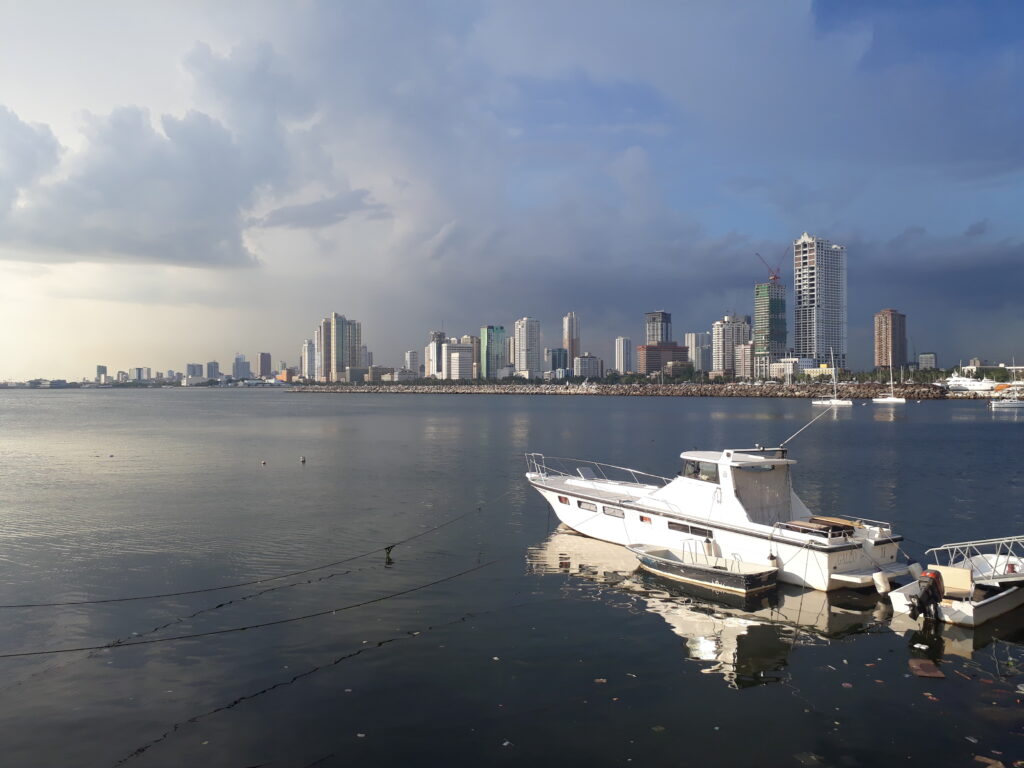
The Fund for responding to Loss and Damage (FRLD) is preparing its first funding decisions, and the numbers show a wide gap between demand and money on hand. After its ninth Board meeting in Manila on July 8–10, 2026, the fund reported that 119 countries had submitted 176 funding requests seeking about $2.8 billion. Its first funding window is capped at $342 million.
The COP31 Presidencies have tied the fund to the Antalya agenda. In their latest joint letter to Parties, COP31 President-Designate Murat Kurum and President of Negotiations Chris Bowen pointed to “the approval of the first funding requests later this year” under the fund. COP31 runs November 9–20, 2026, in Antalya, Türkiye.
What the Board decided in Manila
The first call for requests opened at COP30 in Belém under the Barbados Implementation Modalities (BIM), the fund’s start-up window. Submissions ran from December 15, 2025, to June 15, 2026. All developing countries particularly vulnerable to climate change are eligible.
In July the Board raised the BIM allocation from $250 million to $342 million. It kept a floor of at least 50 percent for small island developing states and least developed countries. It also gave itself more review time so the full portfolio could be assessed consistently. The first package of requests goes to the Board at its tenth meeting, set for December 15–18, 2026, in Manila, after COP31 closes.
Pledges to the fund exceed $820 million, according to the Board. It advanced the first stage of a resource mobilization strategy that focuses on turning pledges into signed agreements, seeking new contributions and preparing for a first replenishment. The Board also approved a results measurement framework for the BIM.
Why it matters to business
Loss and damage finance is public money, but it shapes the operating environment in climate-exposed markets where many companies have suppliers, assets and customers. The ratio of requests to resources, roughly eight to one, will keep contributor governments under pressure ahead of the first replenishment. That debate feeds into the wider climate finance negotiations in Antalya, where the Presidencies want Parties to focus on delivery of the finance goal agreed in Baku.
The Presidencies’ letter also highlights the Santiago Network, the UN mechanism that mobilizes technical assistance for countries facing loss and damage. Its work runs alongside the fund and can involve technical and advisory expertise from outside government.
What to watch
In Antalya, watch for new pledges, progress in converting existing pledges into signed agreements, and guidance from Parties to the fund. In December, the Board’s first decisions will show how it rations a $342 million envelope against $2.8 billion in requests, and how it applies the minimum allocation for small island and least developed states.







