








Türkiye’s COP31 presidency is testing a way to move national climate plans from targets to projects. The Climate Implementation Bridge, or BRIDGE, aims at “helping countries translate climate and development priorities into finance-ready project portfolios,” according to the third letter to parties from COP31 President-Designate Murat Kurum. On September 24, 2026, during Climate Week NYC, the presidency named Ethiopia, Fiji, Indonesia, Pakistan and Uzbekistan as the first five pilot countries, with UNDP as delivery partner.
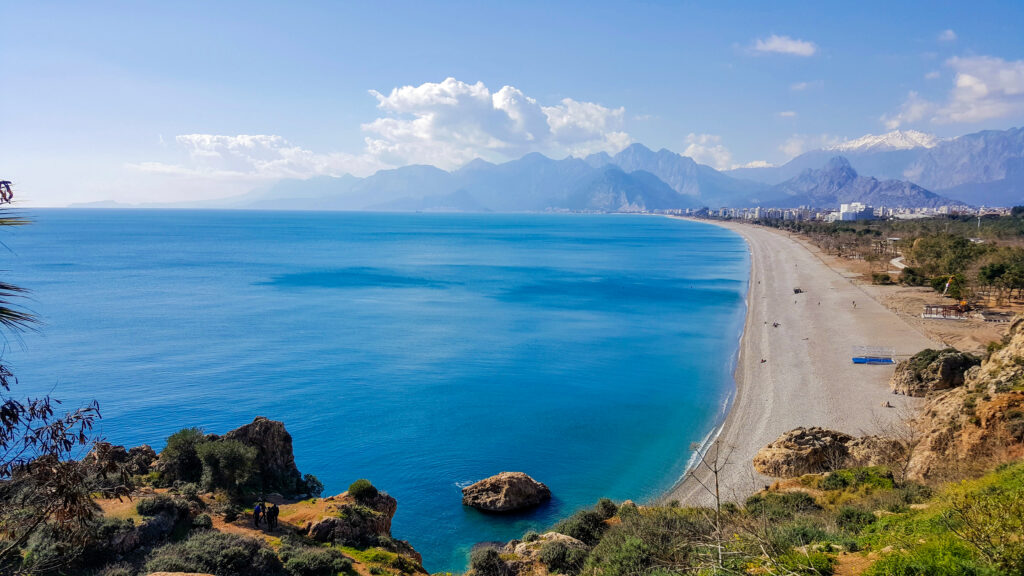
For companies that build, supply or finance climate projects in emerging markets, BRIDGE is about the pipeline: which projects get prepared and appraised, and how they reach lenders and investors. COP31 runs November 9–20, 2026, in Antalya.
What BRIDGE is and is not
The presidency describes BRIDGE as an implementation tool, not a new institution. Its Action Agenda page says it seeks to improve how the existing climate finance system performs, “rather than creating a new financing mechanism, implementation agency, or coordination platform.” The joint letter from Kurum and Chris Bowen, Australia’s COP31 President of Negotiations, also says BRIDGE is not a new fund.
The Action Agenda lists five focus areas: country-driven support; national implementation architecture, including data, modeling and coordination across institutions; turning nationally determined contributions (NDCs) and national adaptation plans into projects; bankable pipelines built on common appraisal criteria and readiness standards; and mobilizing public, private and multilateral finance, including blended finance.
The page names the NDC Partnership, UNDP, Climate Compatible Growth, the 2050 Pathways Platform, multilateral development banks and climate funds as partners or complementary efforts. BRIDGE is meant to work alongside them rather than duplicate their mandates.
The pilots and the 2035 target
The presidency says feedback from the five pilots will shape delivery and scale-up for more countries, and that small island developing states and least developed countries have shown strong interest. Kurum’s third letter says “scaling up the BRIDGE by 2035 provides a practical mechanism for closing the implementation gap.” The letter adds that its Action Agenda targets are “neither prescriptive nor intended to create new obligations for individual countries.”
BRIDGE is one of ten priority themes in the Action Agenda, the voluntary track that runs alongside the formal negotiations. The presidencies’ joint letter presents it, together with the Global Implementation Accelerator and the Belém Mission to 1.5, as a way to link negotiated outcomes with delivery on the ground.
What to watch in Antalya
Several details are not yet in the public record. The presidency has not published funding figures for project preparation, the common appraisal criteria themselves or a timetable for adding countries beyond the first five.
Kurum set out the presidency’s view of the finance problem in New York: “Climate ambition without finance is like an EV without a battery – it won’t go anywhere.” The presidency has scheduled a Leaders’ Summit on November 11–12 and a COP31 Business Forum in Antalya on November 12–13, where further announcements on implementation and finance may be made.
Sources
- COP31 Presidency elevates finance and city action in implementation-focused agenda (COP31 Türkiye, September 24, 2026)
- Climate Implementation Bridge, COP31 Action Agenda (COP31 Türkiye)
- Third letter from the COP31 President-Designate (UNFCCC)
- Fourth Presidency letter, joint letter from Murat Kurum and Chris Bowen (UNFCCC)
- The Road to Antalya (UNFCCC)







