







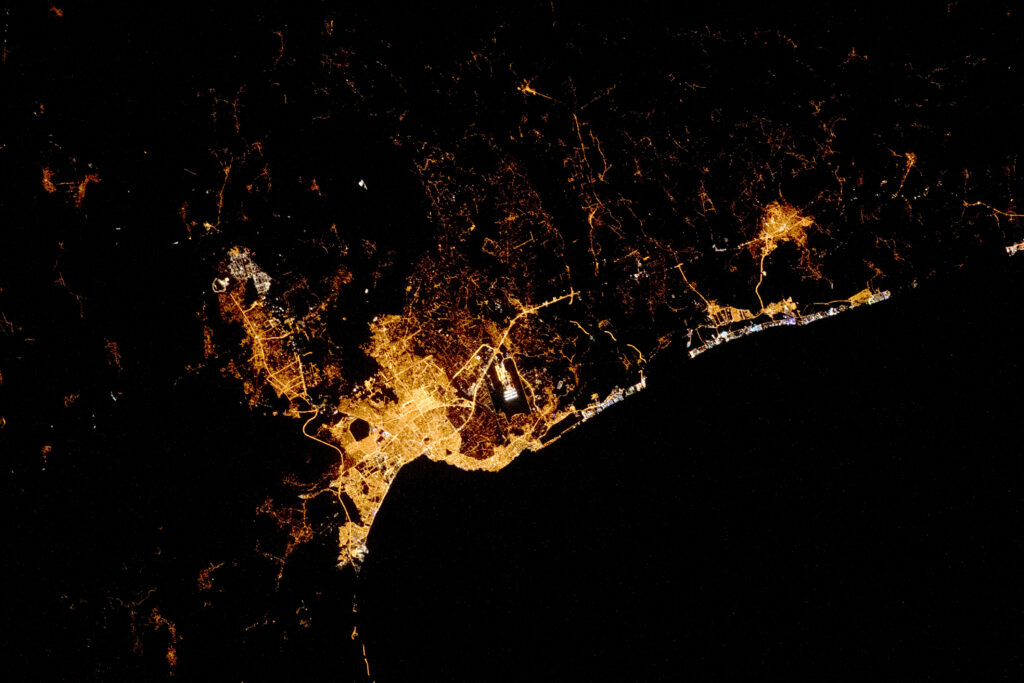
COP31 opened in Antalya, Türkiye, on November 9, 2026, with its two presidencies setting out how they plan to package the conference’s results. Chris Bowen of Australia, President of COP31 Negotiations, told the opening session that he and COP31 President Murat Kurum of Türkiye “have agreed to take forward a Presidency-initiated, Party-driven decision for COP31.”
The format matters for business. A short overarching decision is likely to be the text that investors, lenders and boards read as the main signal from the two weeks. Bowen said the aim is a decision that “gives confidence to governments, investors, businesses and communities that the world is moving faster and working together.”
What the presidencies have said about the decision
Bowen said the decision will be led by the presidencies but “must be owned and driven by the Parties.” He said it is “not about duplicating negotiations” and “will not be a lengthy political declaration.”
According to Bowen, the outcome could recognize progress made since Paris, reflect real-world challenges and opportunities, and accelerate high-impact solutions that help keep 1.5°C within reach and strengthen resilience, means of implementation and international cooperation. He said the presidencies had discussed their intentions at the Pacific pre-COP in Fiji and Tuvalu and in virtual consultations since, and promised “no surprises.”
He also acknowledged that Parties hold different views on the value of such a decision, its elements and how far it should go. His stated goal is “the most ambitious, most outcome-orientated decision that consensus will allow.”
The negotiating load underneath
Bowen said this year’s agenda holds more than 160 items and 60 substantive negotiating mandates. Among the priorities he listed were operationalizing the Just Transition Mechanism, strengthening the Mitigation Work Programme, establishing a technical task force under the Global Goal on Adaptation, advancing the Climate Finance Work Programme, finalizing the transition to the Adaptation Fund, and following up on the tripling of adaptation finance and on Article 2.1(c), which concerns aligning finance flows with climate goals.
UN Climate Change Executive Secretary Simon Stiell said agreements on finance should “give us clarity on how to achieve the 300 billion and 1.3 trillion commitments, without reopening previous agreements.” Those figures refer to the climate finance goals agreed in Baku in 2024.
Where companies come in
Kurum presented the Climate Implementation Bridge, which he said is designed to connect investors with projects that need funding and countries that need technology with those able to provide it. “Trust, too, is infrastructure for climate action,” he said.
Stiell said the secretariat is preparing “a moment on the final day of the COP” to bring together progress under the Action Agenda, the track that covers voluntary initiatives by companies, cities and other non-Party actors. He invited countries to name focal points to follow that work. The conference is scheduled to run through November 20, 2026.







