








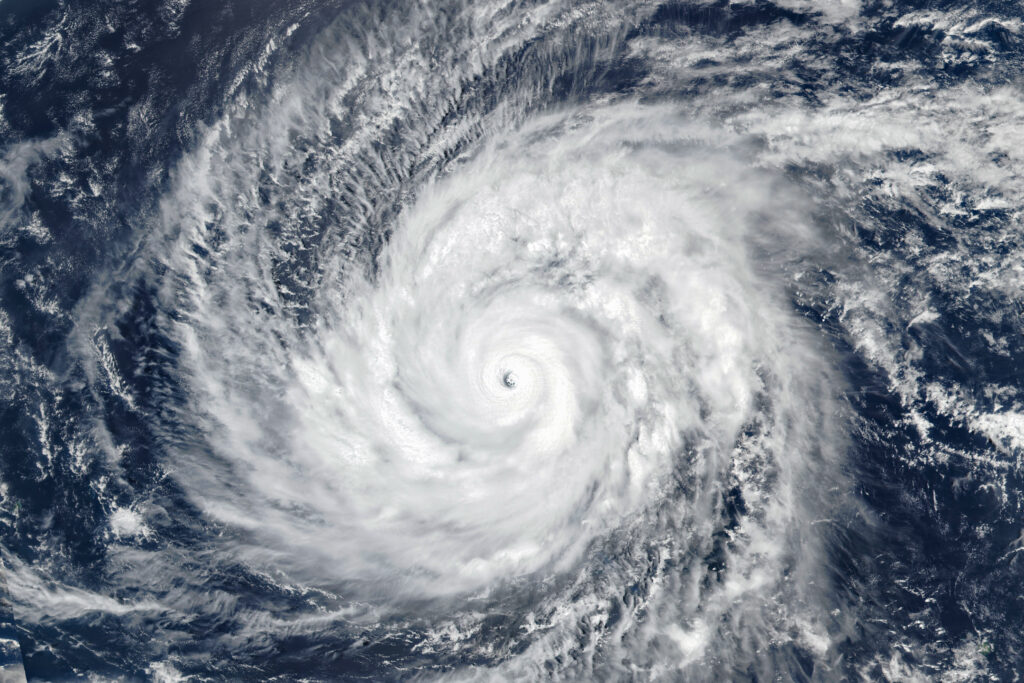
Disaster resilience is one of the less visible strands of APEC’s 2026 work, but it bears directly on the supply chains that leaders will discuss in Shenzhen. In August, the 19th APEC Senior Disaster Management Officials’ Forum met in Dalian, China, with an agenda covering early warning systems, disaster risk financing, artificial intelligence, data governance, anticipatory action and community preparedness.
The forum met after a run of severe events that APEC cited: record rainfall and flooding from Typhoon Dolphin in parts of China, a deadly earthquake in Indonesia, and flooding and landslides in parts of Korea. Experts from the UN Office for Disaster Risk Reduction, the World Meteorological Organization, the Asian Disaster Preparedness Center and the International Federation of Red Cross and Red Crescent Societies joined officials from member economies.
Three policy tracks
The first track examined multi-hazard early warning systems from end to end, from risk monitoring and forecasting to dissemination, institutional coordination and emergency response. Economies also looked at how ex-ante investment, financing frameworks and decision-support systems can help authorities act before hazards turn into major economic and human losses.
The second track covered AI and emerging technologies, including satellite remote sensing and geographic information systems, along with data governance and the institutional capacity needed to turn new tools into practical emergency management. The third track focused on whole-of-society approaches. It included coordination among governments, humanitarian organizations, communities and the private sector, as well as local capacity building, emergency supply systems and the participation of women and young people.
The host’s view
Xu Jia’ai, Vice Minister of China’s Ministry of Emergency Management, called disaster management cooperation “an indispensable pillar in building a resilient Asia-Pacific community.” Xu called for greater investment in early warning technology and deeper use of AI, big data, satellite remote sensing and the Internet of Things in preparedness.
Zhang Zuqiang, Vice Administrator of the China Meteorological Administration, said northern China has experienced around 50 percent more heavy rainfall events on average over the past five years than in the 1990s.
Why it matters for business
APEC described the overall direction as a move from responding to individual emergencies toward managing risk across the full cycle of prevention, preparedness, response and recovery. For companies, the practical points are the role of the private sector in preparedness, emergency supply systems, and the use of risk information to support earlier decisions. The work continues through APEC’s Emergency Preparedness Working Group.
APEC Economic Leaders’ Week opens in Shenzhen on November 14, and leaders meet on November 19. The APEC Secretariat’s preview lists supply chain resilience among the year’s main areas of progress. In the same week, UN leaders at COP31 in Antalya are pressing for early warning coverage for every person by the end of 2027, giving the issue a second venue.







