









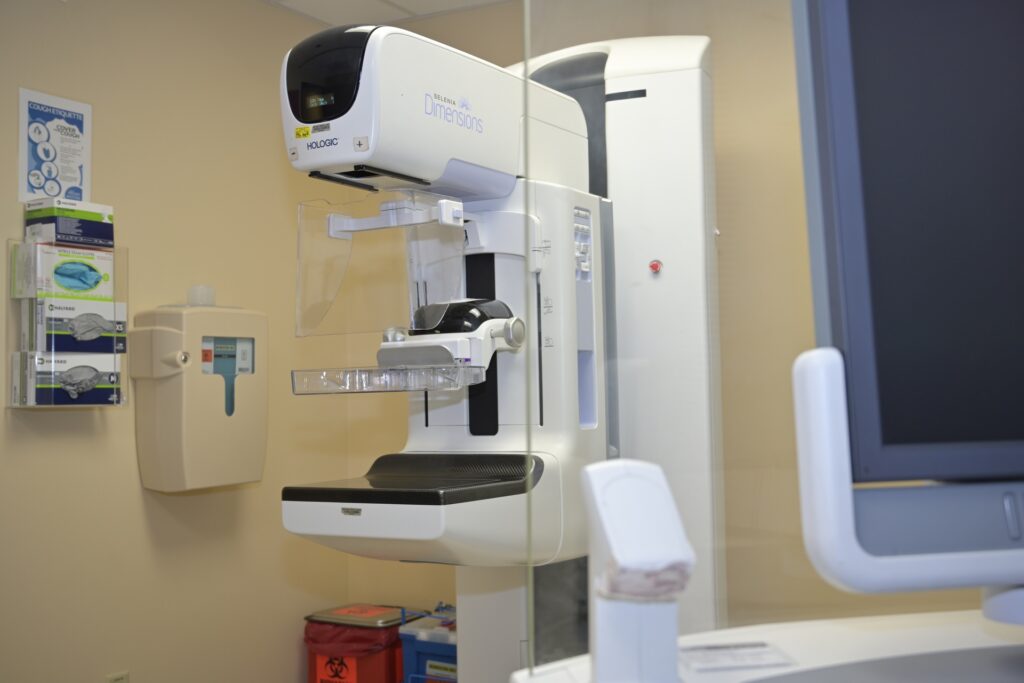
APEC economies have endorsed the region’s first roadmap on breast cancer, the APEC Secretariat announced on November 25, 2026. The APEC Breast Cancer Roadmap 2026–2030 sets out how member economies can improve early detection, treatment and patient care. According to APEC, it is the first time member economies have endorsed the disease as a socio-economic priority extending beyond healthcare.
That framing matters to business. Breast cancer affects women during their working years, and outcomes depend on screening, diagnostics, treatment access and health financing. Each of these touches employers, insurers, and medical technology and pharmaceutical companies operating across the Asia-Pacific.
What the roadmap contains
The 76-page roadmap was prepared under the APEC Health Working Group. It is voluntary, non-binding and economy-led. It sets out ten actions in two areas. The first is the care continuum, from early detection and screening through diagnosis and referral, treatment access, adjuvant therapy and recurrence prevention, to survivorship. The second covers the systemic enablers that sustain care: health financing, workforce capacity, digital health, data systems and multi-stakeholder coordination.
An accompanying System Readiness Assessment Tool lets each economy map its starting point and track progress in 2026, 2028 and 2030. The roadmap draws on experience from economies including China, Indonesia, Korea, Peru, Chinese Taipei and Thailand.
“This roadmap reflects our shared commitment to closing the gap between early detection and survival for women across the region,” said Dr Junghwan Park, Chair of the APEC Health Working Group.
The gap APEC wants to close
APEC health representatives have said women in the Asia-Pacific are dying from breast cancer at higher rates than in wealthier OECD economies, even though fewer are diagnosed. They linked the gap to delays in detection and in connecting patients to care. APEC notes that high-income economies have cut breast cancer mortality by nearly 30 percent since 1990 through more integrated and accessible care.
The roadmap is intended to support the World Health Organization’s Global Breast Cancer Initiative, which aims to reduce breast cancer mortality by 2.5 percent per year.
What to watch
The roadmap joins a companion APEC roadmap on cardiovascular health and economic resilience for 2026–2030, part of a wider APEC effort to treat chronic disease as an economic issue. Because the roadmap is voluntary, its effect will depend on national budgets and on whether economies publish their readiness assessments.
Companies in diagnostics, oncology, digital health and health insurance may find the readiness tool a useful guide to where economies see gaps. Employers can track how the roadmap’s financing and workforce actions are reflected in national screening programs. The first self-assessment point falls in 2026, with follow-ups in 2028 and 2030.







