








The board of the Fund for responding to Loss and Damage holds its first extraordinary meeting on October 22, 2026, to consider an urgent request from Nepal after catastrophic flash floods. A draft decision would provisionally set aside $21.6 million and pilot a way for countries to seek funding outside the fund’s regular submission period. For insurers, development lenders and companies operating in climate-exposed markets, the meeting is an early test of how quickly the fund can respond to a single disaster.
What is new
The fund’s first round of funding decisions, drawn from its general call for proposals, is still pending. The new element is a request tied to one event. The board has now published the documents for the extraordinary meeting, which will be held virtually, hosted by the World Bank Group, starting at 8:00 a.m. EDT, with a public webcast.
The request and the draft decision
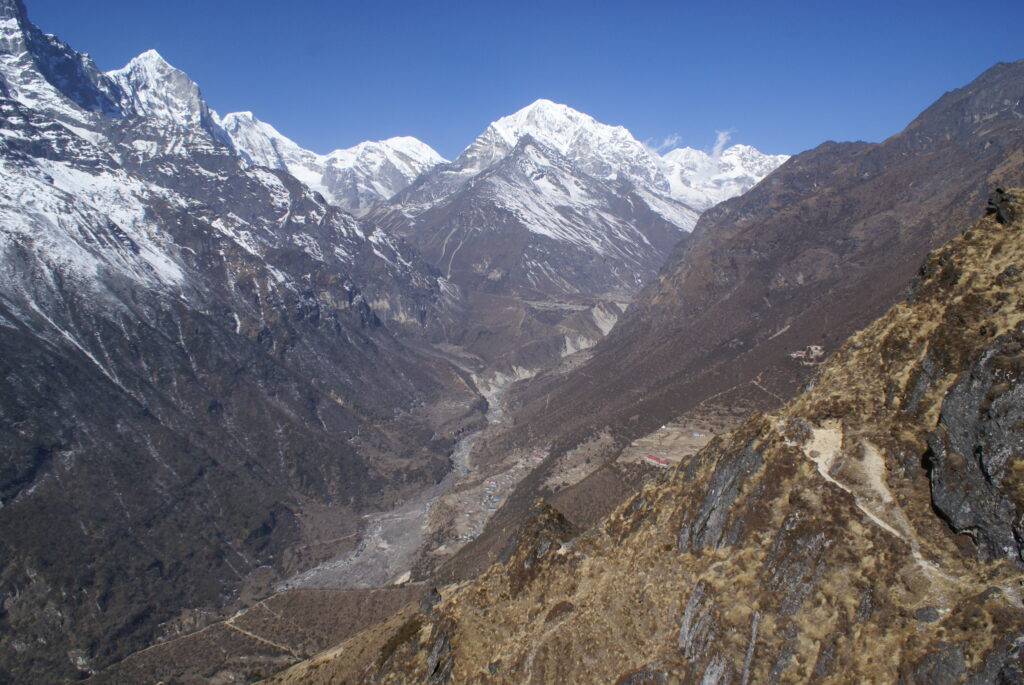
According to board document FRLD/B.Ex1/2, dated October 15, an ice-and-rock avalanche on August 26, 2026, triggered a debris flow and major flooding along the Bhotekoshi–Trishuli–Narayani river system. The Government of Nepal estimates initial economic loss and damage at at least $2.69 billion, and initial recovery and reconstruction needs at a minimum of $4.71 billion.
Nepal wrote to the board co-chairs on August 31, asking the board to “take a special decision to respond rapidly, directly and effectively in accordance with its Governing Instrument.” On September 2, board members and alternates from African, Asia-Pacific and least developed country constituencies asked for an extraordinary meeting. Developed-country members wrote in support of an urgent consultation of the board, and an informal drafting group worked on decision text on October 5 and 8.
Under the draft decision, the board would:
- provisionally set aside $21.6 million from available commitment authority, including $1.6 million for oversight fees, subject to board approval of a funding request;
- pilot, during the start-up phase, a funding request under the Barbados Implementation Modalities submitted outside the regular submission period;
- invite Nepal’s national focal point to consider submitting a funding request; and
- ask the secretariat to assess lessons for the fund’s long-term model.
Any further request submitted under the pilot would need a separate board decision. In a media statement, the fund said it would consider Nepal’s request while “respecting the Fund’s Governing Instrument and established decision-making processes.”
Why it matters for business
The COP31 presidency’s joint letter lists approval of the first funding requests under the fund later this year among its expectations, alongside the Santiago Network’s technical support. A working rapid-response channel would affect how governments, insurers and lenders plan recovery finance after disasters in vulnerable countries, and how the fund operates alongside insurance, development bank and humanitarian money.
The proposed set-aside is small against Nepal’s own estimate of recovery needs, which shows the scale of the gap the fund faces as COP31 approaches. The lessons review requested in the draft decision could also shape the fund’s long-term operating model. The outcome of the October 22 meeting was not known at the time of writing.
Sources
- Fund for responding to Loss and Damage: First Extraordinary Meeting of the Board
- FRLD/B.Ex1/2: Matters related to the urgent request for a response to the Nepal floods, October 15, 2026 (PDF)
- Fund for responding to Loss and Damage: Media Statement on Nepal (PDF)
- COP31 Presidency: Joint letter from the COP31 President-Designate and the President of Negotiations (PDF)







