








Energy is one of the thematic areas the W20 lists on its website, under the heading “Planet: Earth, Air, Water & Sun.” Its most recent communiqué, issued during South Africa’s 2025 presidency, asked G20 governments to “increase women’s full and equal participation in energy value chains to 50% by 2030.” In September, G20 energy ministers meeting in Houston adopted a statement on clean cooking access that names women and children as a focus. Read together, the two texts raise a practical question for energy companies, fuel distributors, appliance makers and development lenders: who builds, sells and finances household energy, and who benefits from it.
What the G20 agreed in Houston
The G20 Energy Ministers’ Statement on Advancing Clean Cooking Access was one of four consensus outcomes from the Energy Abundance Ministerial, which ended September 16. It describes the goal as people-centered energy access at the household level, “especially for women and children,” and links clean cooking to public health, education, livelihoods and economic empowerment.
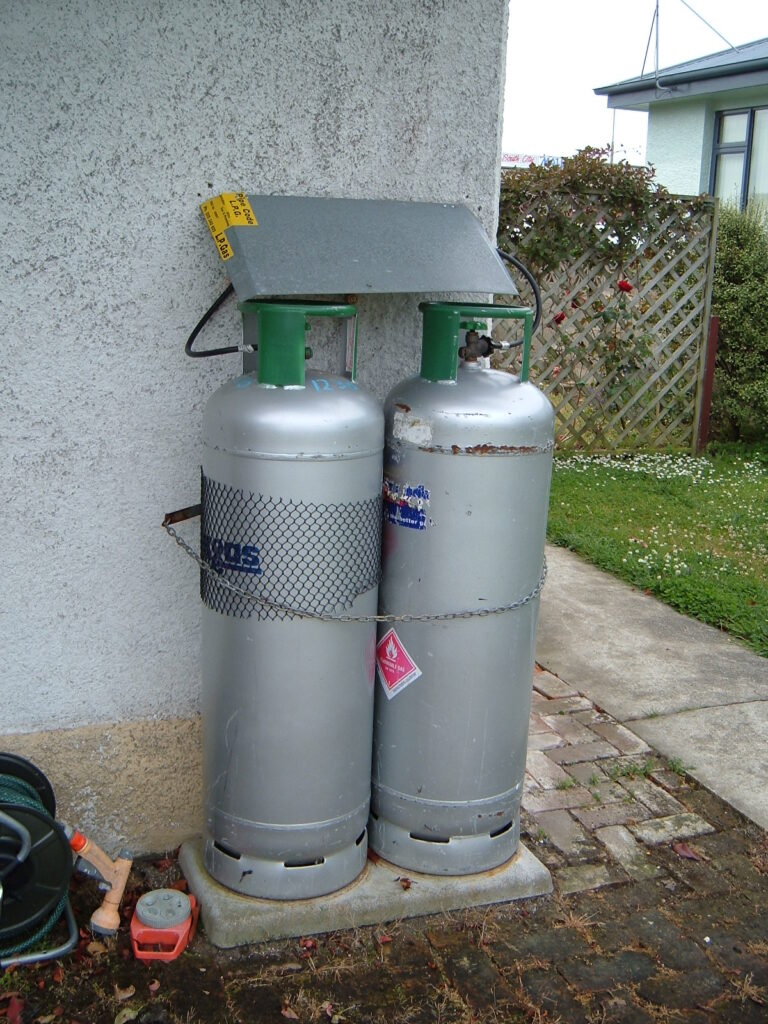
The statement says no single pathway fits every country. It lists liquefied petroleum gas (LPG), electric cooking, natural gas, biofuels and advanced biomass technologies, and says LPG accounted for roughly three-quarters of global clean cooking access gains since 2010. It calls for financing for all qualifying solutions on transparent and fair terms, stable regulatory and tax frameworks, stronger last-mile distribution, local value chains, skills development and consumer education. The Department of Energy said about two billion people still lack clean cooking access.
What the W20 has asked for
The W20’s 2025 communiqué grouped climate, environment and food security in one section. Its first recommendation there calls for an inclusive just transition with measurable outcomes on women’s participation in energy value chains. Other items call for targeted climate and food security finance with women involved in funding governance, gender-responsive blue economy policies, and stronger land rights so women can access carbon markets and climate finance.
The Houston text overlaps with part of this agenda by putting households, and women in particular, at the center of energy access. It does not set targets for women’s employment, ownership or leadership in energy supply chains. Its actions are voluntary and are to be taken “in line with national priorities and respective commitments.”
Why it matters for business
The clean cooking statement leans on private investment, distribution networks and local value chains to reach households. That is where the W20 target applies. As companies and lenders build those chains, W20 delegates are likely to ask who receives the skills training, who runs local distribution and who gets access to finance, not only who uses the stoves.
The W20 website does not yet list a 2026 communiqué. G20 sherpas meet in Miami on December 10–12, ahead of the leaders’ summit there on December 14–15.
Sources
- G20 Energy Ministers’ Statement on Advancing Clean Cooking Access (PDF)
- The White House: G20 Energy Abundance Ministerial concludes with four consensus outcomes
- U.S. Department of Energy: Energy Department advances U.S. energy priorities at G20 ministerial
- W20 South Africa 2025 Communiqué (PDF)
- Women 20: Thematic areas
- Women 20: Documents
- G20 Miami 2026: Events calendar







