









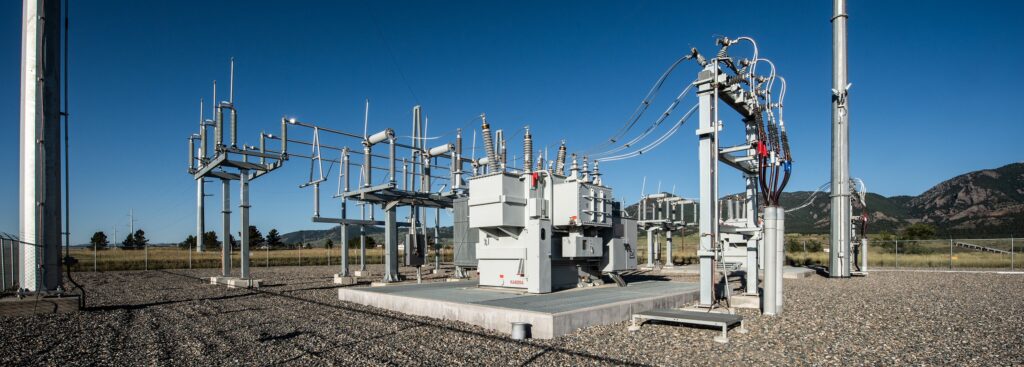
Grid capacity has become a central constraint in the B20’s energy recommendations to the G20. In its Leaders’ Statement for B20 USA 2026, the energy task force chaired by GE Vernova CEO Scott Strazik asks G20 governments to “commit to increase annual grid investment to over US$600 billion by 2030 (a 50% increase from today), adding or upgrading over 80 million kilometers of grid infrastructure by 2040.”
For companies building data centers, factories and electrified fleets, the recommendation goes to two practical questions: when new load can connect, and who pays for the wires. The B20 USA Summit closed in Washington on November 11, 2026, and its recommendations now sit with the U.S. G20 presidency.
Demand the grid was not built for
The statement points to several drivers. It says U.S. data center power demand “is set to nearly triple by 2030,” that industry accounts for about 25% of global power demand growth to 2035, and that cooling needs alone are set to grow by 1,600 TWh by 2035. It cites roughly US$580 billion invested in data center buildout globally in 2025.
Connection queues are the bottleneck it highlights. The statement counts more than 2,500 GW of renewable, storage and large-load projects, including data centers, awaiting grid connection worldwide. It expects battery storage to grow ninefold, from 86 GW in 2023 to more than 760 GW by 2030.
What the task force wants governments to change
Under recommendation E3.1, the B20 asks G20 members to “adopt a common, comparable format for national grid expansion roadmaps.” Its argument is that inconsistent national plans keep investors from comparing opportunities across markets, which slows the roughly US$600 billion a year in grid spending that the International Energy Agency estimates is needed by 2030.
It also asks for electricity market reforms so that battery storage, thermal storage, long-duration storage, peaking capacity and interconnection can earn a return on the full value of the services they provide. For data centers, it recommends prioritizing energy efficiency and lower-emissions technology, including waste heat recovery, cooling efficiency and AI-driven load optimization, with the aim of reducing energy use per unit of compute “to enhance social license.”
Who pays
Recommendation E3.2 addresses cost allocation. The B20 says affordability “should be a shared priority for both governments and industry as the grid expands.” It asks G20 governments to lead in updating market rules and to work with industry on power contracts that limit the impact on households and small businesses, so that the costs of new infrastructure do not fall disproportionately on them.
The grid asks sit alongside the task force’s other energy targets: about US$3.4 trillion a year in global energy investment through 2035, permitting timelines cut to the 1-3 year range already achieved by the fastest-moving G20 economies, and a 40% increase in qualified new entrants to the energy workforce by 2030.
The statement does not say how the US$600 billion would be split between public and private sources. It frames the figure as a shared objective for G20 members, not a commitment by any one government. Whether the G20 takes it up is a decision for member governments.







