









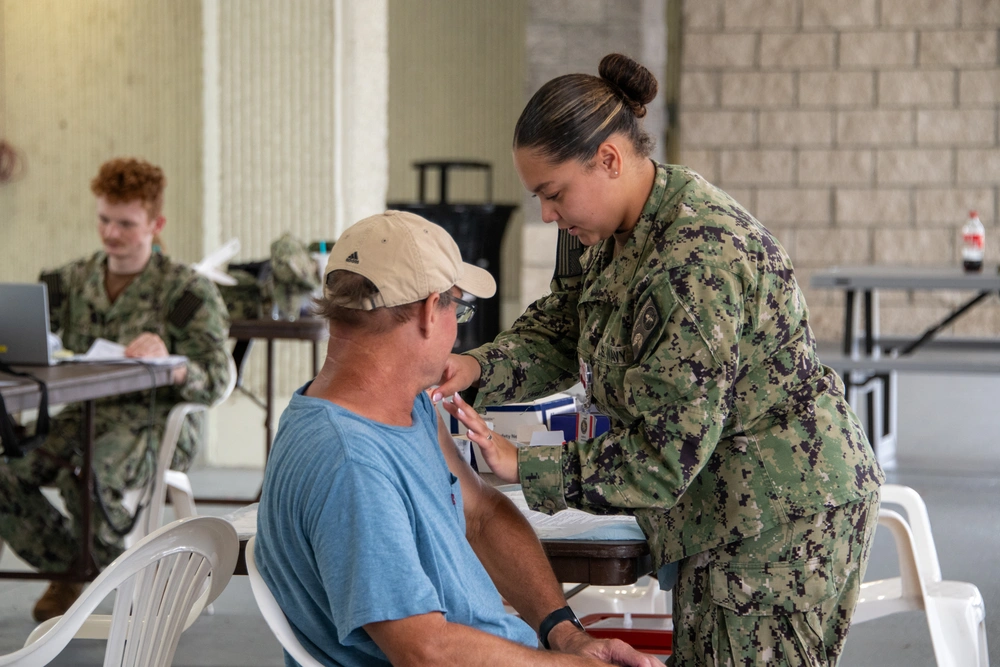
Flu season in the Northern Hemisphere is underway, and for delegates, executives and press with back-to-back trips between now and spring, it is a practical risk to plan for. The U.S. Centers for Disease Control and Prevention (CDC) sets out its advice for travelers in the influenza chapter of its Yellow Book, the agency’s health reference for international travel. The guidance is short and specific: get vaccinated in time, know the seasons at your destination, and talk to a clinician before departure if you are at higher risk.
Seasons differ by destination
In temperate regions, CDC says, influenza epidemics are more common during cooler months: October to March in the Northern Hemisphere and April to September in the Southern Hemisphere. In subtropical and tropical regions, seasonal epidemics follow a similar pattern, but flu can occur throughout the year. The agency notes that the risk of exposure during travel depends on the time of year and the destination.
That matters for anyone whose calendar crosses hemispheres or includes tropical venues. A traveler leaving a quiet season at home may still arrive where flu is circulating.
Vaccination timing
CDC describes vaccination as the most effective way to prevent influenza and its complications, and recommends routine annual vaccination for everyone aged 6 months and older in the United States. For travel, its advice is that people who have not received the current seasonal vaccine and who are going to places where flu activity is ongoing should consider vaccination at least two weeks before departure. That includes travelers at increased risk of complications.
The two-week lead time is worth building into planning for multi-city trips, since the vaccine needs time to take effect before exposure in airports, conference halls and receptions.
Antivirals and everyday prevention
For people at increased risk of complications, CDC advises clinicians to discuss antiviral treatment options before travel to areas with flu activity. Treatment is most effective when it starts within 48 hours of the first symptoms, which can be difficult to arrange in the middle of a trip without a plan in place.
The agency’s prevention measures are familiar: practice hand hygiene, avoid touching the eyes, nose and mouth, and avoid close contact with people who are sick. CDC notes that people with flu can be infectious from about the day before symptoms begin until about five to seven days after. It also lists settings such as cruise ships and tour groups among those where outbreaks can occur and testing matters.
For summit travelers, the practical steps are simple: check flu activity at each destination, get the current vaccine at least two weeks before leaving, and settle any antiviral plan with a clinician before departure.







