









The Financial Stability Board (FSB) published its 2026 consolidated progress report on the G20 Roadmap for Enhancing Cross-border Payments on November 16, 2026. It finds that the international policy work is largely complete, but that results for end users “remain gradual and uneven across payment segments and jurisdictions.” For companies that pay suppliers, staff and customers across borders, the report is the main public measure of whether the G20’s targets on cost, speed, access and transparency will be met by end-2027.
The roadmap’s approaching deadline has been on the agenda for months. What is new is the FSB’s annual scorecard itself, released four weeks before the G20 Leaders’ Summit in Miami on December 14 and 15.
What the numbers show
The data are mixed. In wholesale payments, the share credited within one hour of initiation rose 3.2 percentage points since 2023, to 57%. For remittances, the share available within one hour rose 7.4 points, to 60%.
Retail payments moved the other way. The report says retail payment speed slowed, with the shares credited within one hour and within one day down 1.3 and 14.2 points since 2023. On price, it states that no measurable progress has occurred in the global average cost of retail cross-border payments since 2023.
Remittance costs look lower on paper. The average cost of sending $200 fell to 5.7%, and of sending $500 to 3.8%. But the report says the decline was entirely due to adjustments to some local amount equivalents, and that without them costs would have stayed broadly unchanged at 6.2% and 4%.
From policy design to national action
The FSB says the next phase depends on individual jurisdictions and on the private sector. It invited jurisdictions to draw up action plans with concrete steps, and almost all G20 members and several other jurisdictions responded. The FSB plans to publish a summary of those plans in early 2027.
The report also calls payment fraud “a growing concern.” Private-sector participants raised a lack of clarity on whether payment transaction details may be shared, and the report points to pre-validation of payments as a way to help prevent authorized push-payment fraud.
Why it matters for Miami
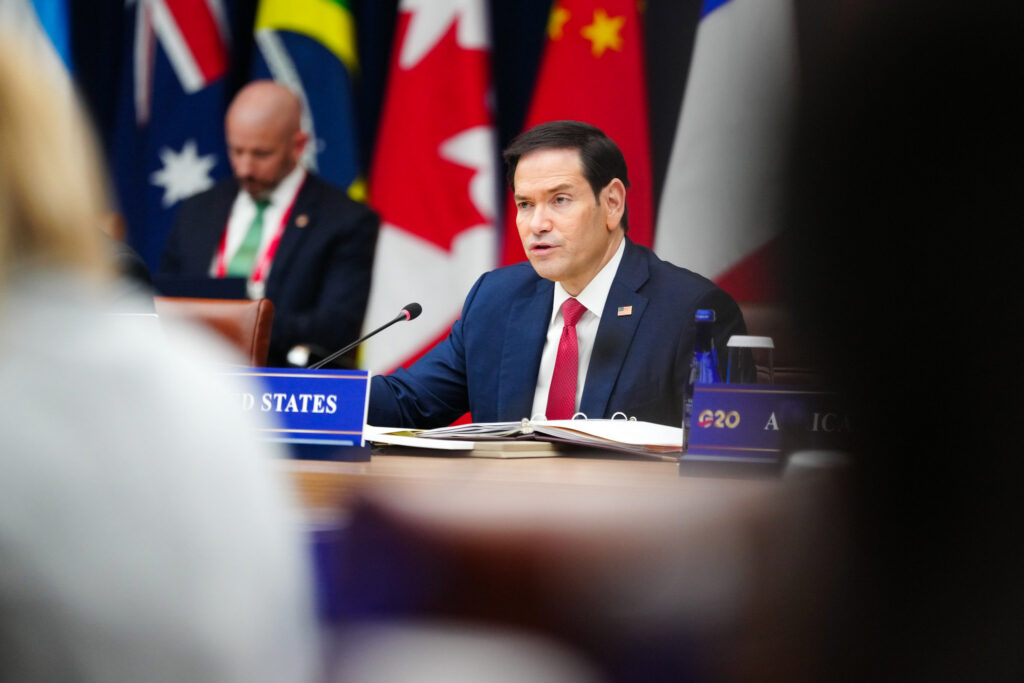
Cross-border payments, including payments fraud, are on the U.S. presidency’s finance track agenda, alongside digital assets, debt transparency and financial literacy, according to the presidency’s website. The report does not set new targets. It describes the work as continuing through the end-2027 milestone and beyond, and notes that some planned national work may not be completed until after 2028.
For corporate treasury and payments teams, the practical signals will now be national: the action plans the FSB will summarize in early 2027, local rules on sharing data to prevent fraud, and whether banks and payment providers adopt the interoperability and messaging standards the roadmap has promoted.
Sources
- Financial Stability Board: G20 Roadmap for Enhancing Cross-border Payments, consolidated progress report for 2026 (November 16, 2026)
- Financial Stability Board: full report (PDF)
- Financial Stability Board: press release, November 16, 2026
- G20 U.S. Presidency 2026: priorities and finance track agenda
- G20 U.S. Presidency 2026: events calendar







