








APEC’s health work this year rests on an economic argument: disease that goes unprevented or untreated weakens workforces and growth. Two initiatives endorsed or launched in September on the margins of the Third APEC Senior Officials’ Meeting in Dalian, China, show how that argument is being turned into policy tools.
For employers, insurers and health and life sciences companies, they signal where APEC economies plan to cooperate on prevention, financing and health system capacity.
A first APEC roadmap on cardiovascular disease
APEC economies endorsed a roadmap to strengthen cardiovascular health and economic resilience across the region. APEC notes that cardiovascular disease claimed 19.8 million lives globally in 2022, and that population aging and rising rates of hypertension, obesity and diabetes are adding strain.
The roadmap was led by Thailand, with Peru and the Philippines as co-sponsors. It covers the full care continuum, from prevention and early detection to treatment, long-term recovery and stronger health systems. It is voluntary and non-binding, so each economy can apply it in line with its own health system and priorities.
Dr. Junghwan Park, Chair of the APEC Health Working Group, called it “the first of its kind in APEC” and said it treats cardiovascular health “as a foundational pillar of economic resilience.” Park also pointed to stronger links between health and finance policy as a way to sustain productive workforces.
A financing platform for dengue
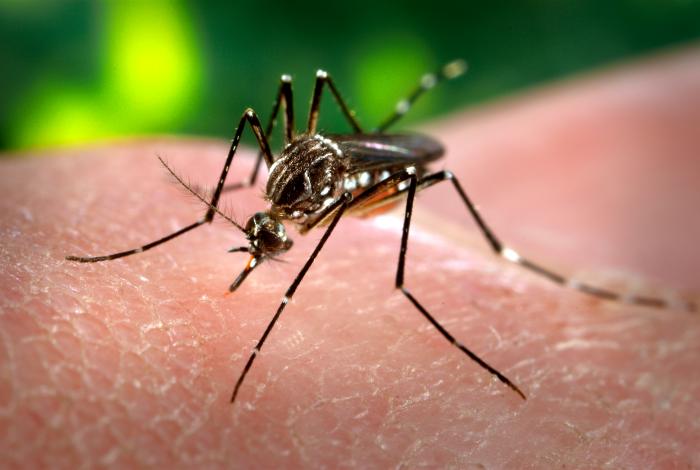
Economies also launched the APEC Community of Practice on Dengue Financing. It brings together member economies, donors and multilateral development banks, including the Asian Infrastructure Investment Bank, the Asian Development Bank and the Inter-American Development Bank, to share information and coordinate investment.
APEC said worldwide dengue cases reached 14.1 million in 2024, the highest on record. At the inaugural dialogue, the Pandemic Fund, the Right Foundation and the Wellcome Trust noted that the amount being spent on dengue and related vector-borne diseases across the region remains largely unknown. Discussion focused on understanding the financing landscape, reducing investment risk and attracting more funding for prevention and control.
Magda Cristina Verano Calero, International Cooperation Specialist at Peru’s Ministry of Health, said dengue financing “should not be considered only as a response to outbreaks.” The platform builds on the APEC Roadmap to Advance Dengue Prevention and Control in APEC Economies 2026-2030, endorsed in 2025, which sets a regional vision of eliminating dengue deaths.
What to watch
Health was not among the areas the APEC Secretariat highlighted in its November 3 preview of leaders’ week, which focused on AI, digital transformation, supply chain resilience, energy security and food systems. Leaders meet in Shenzhen on November 19. The health initiatives sit with APEC’s Health Working Group, and companies with workforces or operations in the region can track how economies use the cardiovascular roadmap and whether the dengue platform leads to coordinated investment.







