A Nation Transformed
Power to the Women
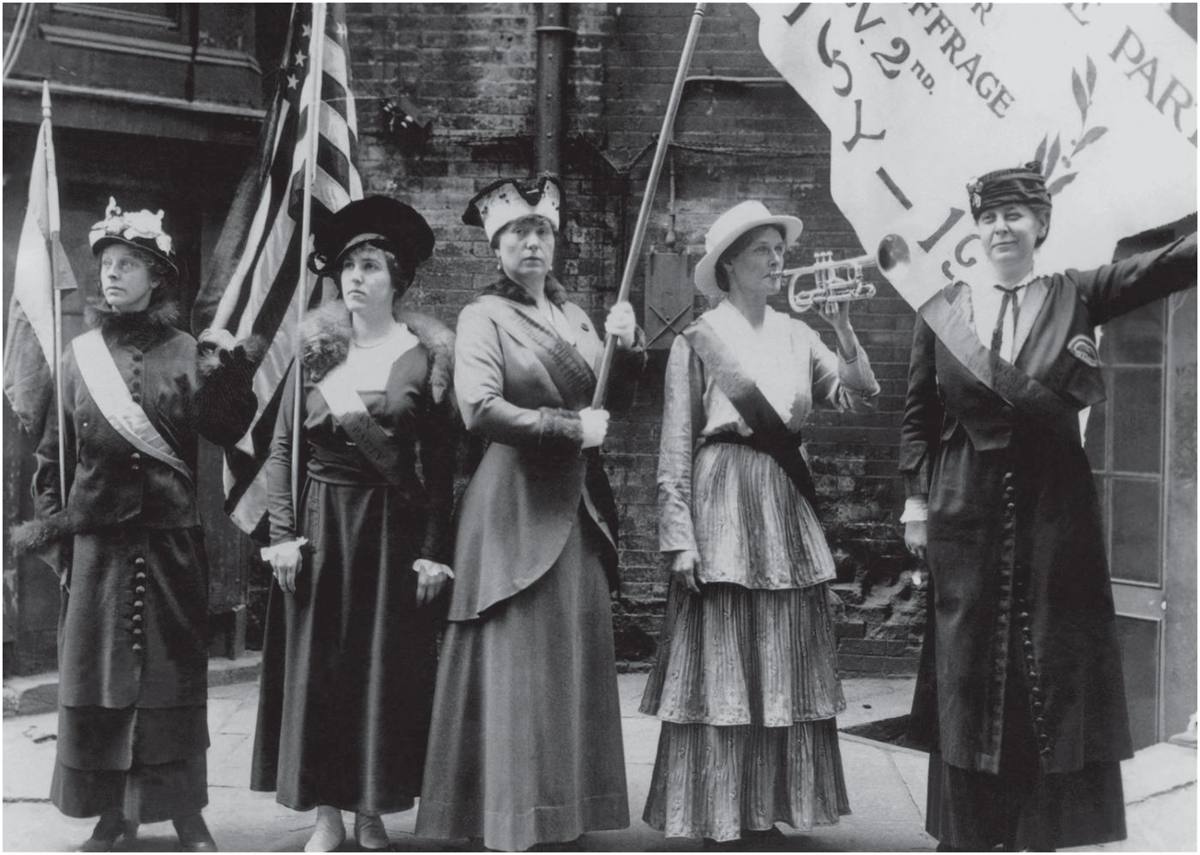
The August heat in Nashville was stifling, but inside the House chamber of the Tennessee State Capitol, the air felt thick enough to suffocate. It was 18th August, 1920. For over seventy years, generations of women had organized, marched, gone to jail, staged hunger strikes, and fought for the right to vote. Now, the grand struggle of the American suffrage movement had narrowed down to one room, one vote, and a twenty-four-year-old representative named Harry Burn. Outside the chambers, the corridors were a chaotic battleground of roses. Suffragists wore yellow roses, symbolizing their hope for enfranchisement. The anti-suffragists, fierce in their conviction that a woman’s place was strictly in the home, wore red roses. Harry Burn, the youngest member of the legislature, sat at his desk with a red rose pinned proudly to his lapel. The nation was watching Tennessee.