Great American Institutions
Learning's Legacy
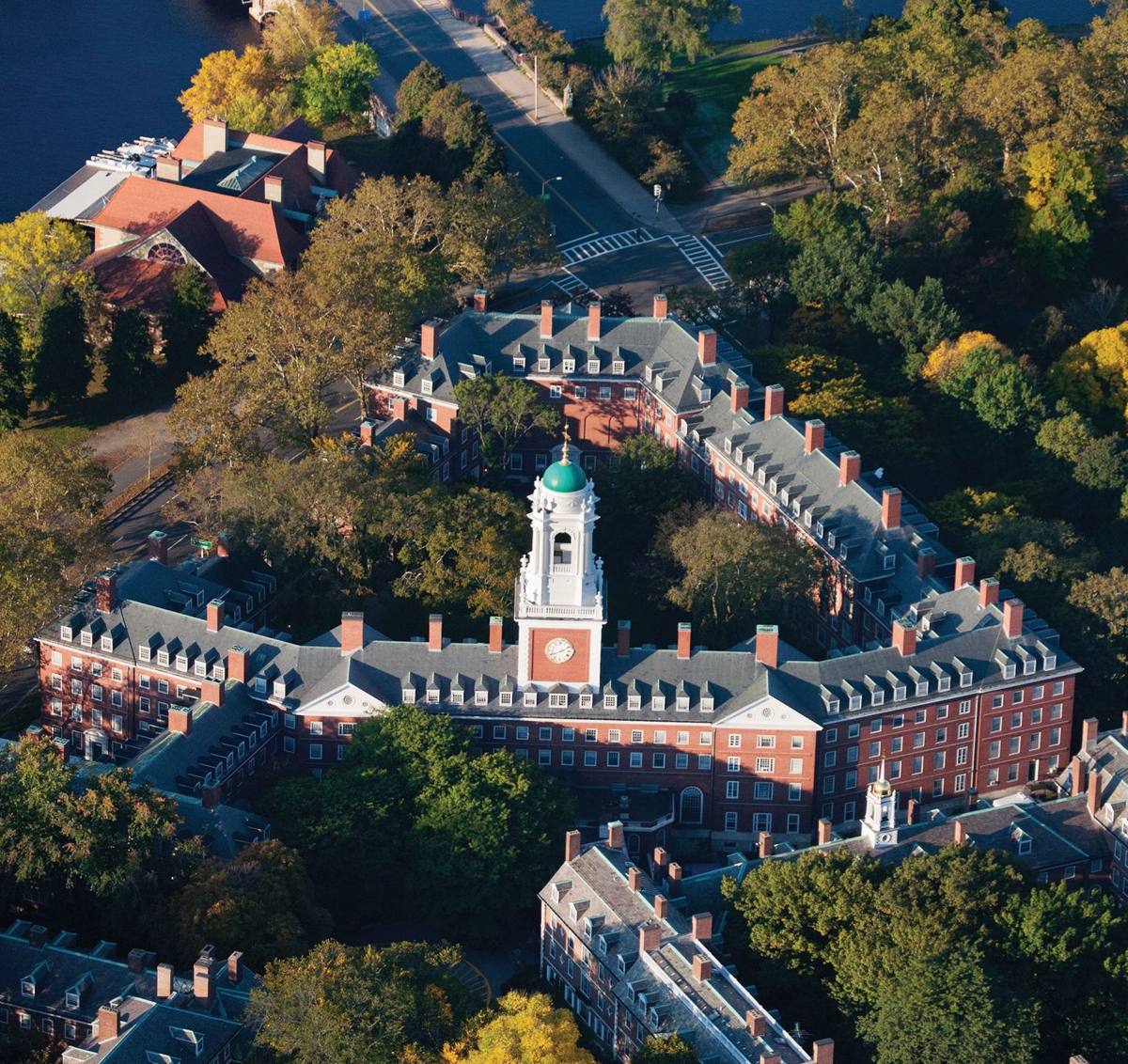
Education arrived in America before independence did. In 1635, Boston Latin School opened its doors—it still operates today—and a year later the Massachusetts colony founded Harvard College to train ministers, sixteen decades before the Declaration of Independence was signed. The Puritans' "Old Deluder Satan" law of 1647 required towns to hire schoolmasters, planting an idea that outgrew its religious roots: a community owes its children instruction. By the Revolution, nine colonial colleges— including Yale, Princeton, and Benjamin Franklin's practical-minded academy in Philadelphia, now the University of Pennsylvania—dotted the seaboard. America's founding fathers saw clearly what was at stake. "Wherever a general knowledge and sensibility have prevailed among the people," John Adams wrote, "arbitrary government and every kind of oppression have lessened and disappeared." A republic that asked citizens to govern themselves would have to teach them how.