Culture, Arts & American Identity
A Nation Dressed
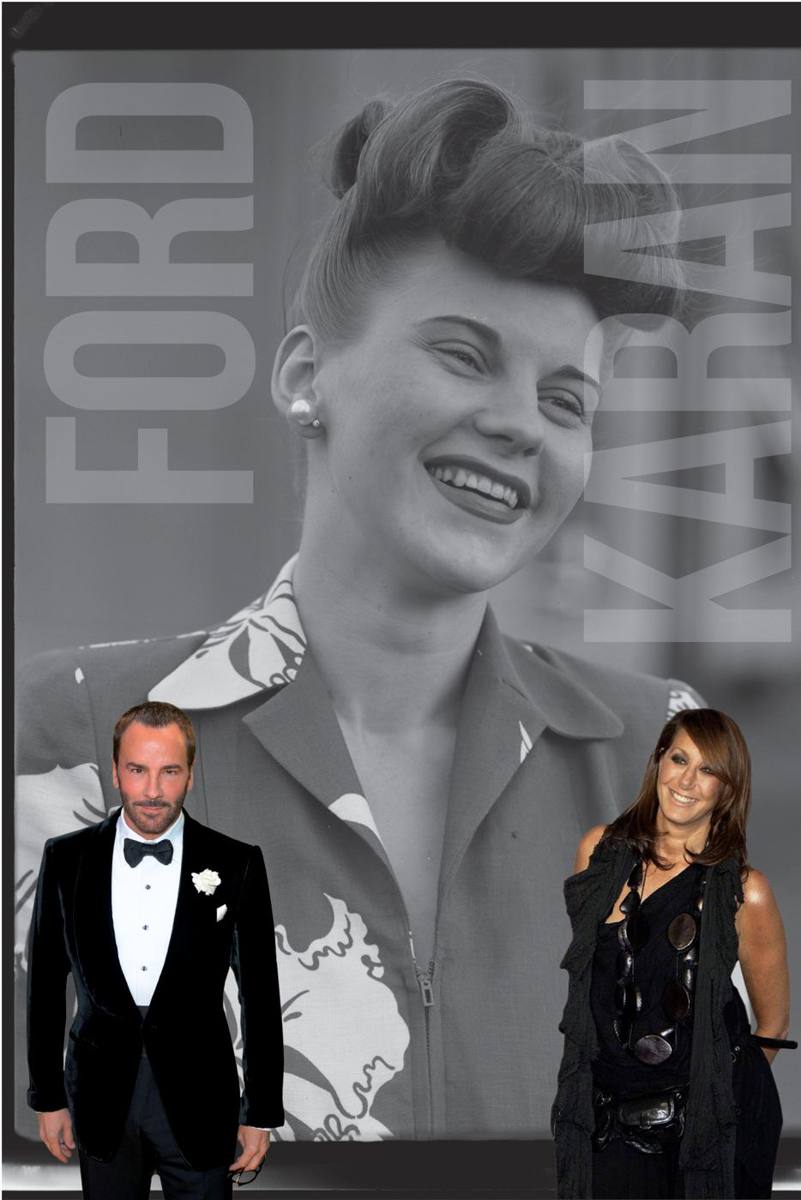
Fashion in America has been political from the first stitch. In the years before independence, colonists boycotted British cloth and wore rough "homespun" as a badge of rebellion—George Washington took his oath of office in a suit of brown Connecticut broadcloth, deliberately American-made. For its first century the young republic mostly followed Europe's lead, importing its silhouettes from London and Paris. But America was quietly building the machinery that would one day dress the world: Elias Howe and Isaac Singer's sewing machines in the 1840s and ’50s, the ready-to-wear revolution born of Civil War uniform manufacturing, the great department stores—Macy's, Wanamaker's, Marshall Field's—that turned shopping into leisure, and, in 1873, a San Francisco dry-goods merchant named Levi Strauss who riveted together a pair of denim work pants.